
Note: This article is confirmed by Law Offices Of SRIS, P.C.
AUTHOR BIO:WRITTEN BY
Since 1997, Mr. Sris has led the firm, focusing on the most challenging criminal and family law cases. His background in accounting and information management aids in financial and technology-related cases. Involved in significant legislative changes in Virginia. My focus since founding the firm in 1997 has always been directed towards personally handling the most challenging and involved criminal and family law matters our clients face.
separation agreement lawyer Fredericksburg VA
What is a separation agreement
Separation agreements serve as formal arrangements between spouses who choose to live separately while maintaining their marital status. In Virginia, these documents function as binding contracts that outline the rights and responsibilities of each party during the separation period. The agreement typically addresses several key areas including spousal support, division of assets and debts, child custody arrangements, visitation schedules, and child support obligations.
Creating a separation agreement involves careful consideration of current circumstances and potential future changes. Both parties must fully disclose their financial situations, including income, assets, debts, and expenses. The agreement should account for various scenarios such as changes in employment, health issues, or relocation. Proper documentation of all assets and liabilities prevents future disputes about what was considered during the agreement’s creation.
Virginia law provides specific requirements for separation agreements to be enforceable. Both parties must enter the agreement voluntarily without coercion or undue pressure. Full financial disclosure is essential, and the terms must be fair and reasonable under the circumstances. The agreement should be in writing and signed by both spouses, preferably with notarization. While legal representation isn’t required, having separate attorneys helps ensure both parties understand their rights and obligations.
Separation agreements offer several advantages over informal arrangements. They provide legal certainty about financial and parental responsibilities. These agreements can simplify divorce proceedings if the marriage ends, as courts often incorporate reasonable separation terms into final divorce decrees. The structured approach helps manage expectations and reduces conflict during a challenging transitional period.
Straight Talk: Separation agreements require complete honesty about finances. Hidden assets or debts can invalidate the entire document.
How to create a separation agreement
The process of creating a separation agreement begins with comprehensive financial disclosure. Both spouses must provide complete information about their financial situations including income from all sources, bank accounts, investment accounts, retirement funds, real estate holdings, business interests, and personal property. Equally important is disclosing all debts such as mortgages, car loans, credit card balances, student loans, and other obligations. This transparency forms the foundation for fair agreement terms.
After financial disclosure, the drafting phase addresses specific agreement provisions. Spousal support terms should specify amount, duration, payment schedule, and conditions for modification or termination. Property division sections detail how assets and debts will be allocated between spouses. For couples with children, the agreement must establish custody arrangements, visitation schedules, decision-making authority, and child support obligations following Virginia guidelines.
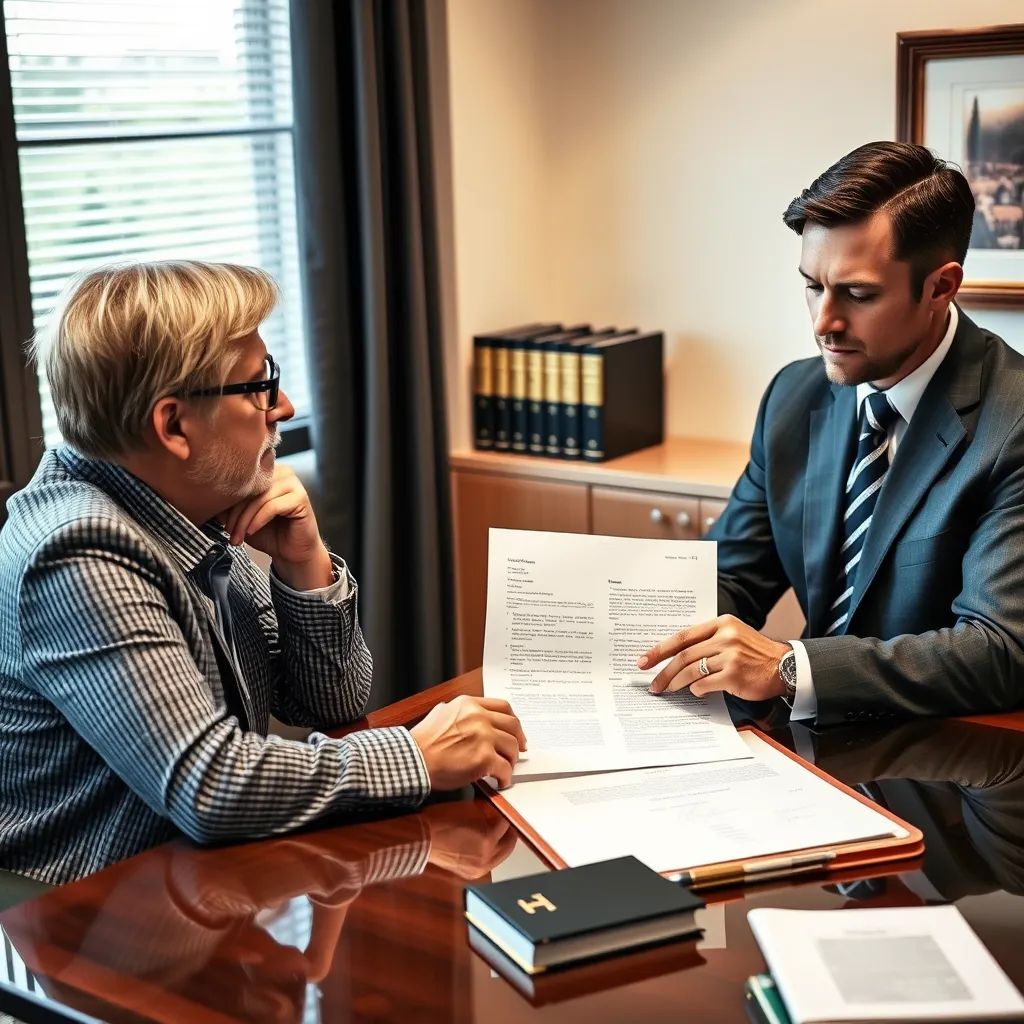
Legal review represents a vital step in the process. Each spouse should have independent legal counsel review the proposed agreement. Attorneys can identify potential issues, ensure compliance with Virginia law, and suggest modifications to protect their client’s interests. This review helps prevent future challenges to the agreement’s validity based on unfair terms or inadequate disclosure.
The finalization process involves proper execution of the document. Both spouses must sign the agreement voluntarily without pressure or coercion. Notarization adds an additional layer of authentication, though it’s not always legally required in Virginia. Some agreements include witness signatures for further validation. Once executed, each party should retain original signed copies for their records.
Reality Check: Without independent legal review, you might miss important protections. What seems fair today could create problems later.
Can I modify a separation agreement
Modification of separation agreements depends on several factors including the agreement’s specific terms and Virginia law. Many agreements include provisions addressing modification procedures, which typically require written consent from both parties for any changes. When agreements don’t specify modification terms, general contract principles and family law statutes apply. The possibility of modification varies between different types of provisions within the agreement.
Child-related provisions generally have more flexibility for modification than financial terms. Courts retain authority to modify child custody, visitation, and support arrangements based on the child’s best interests. Significant changes in circumstances such as parental relocation, changes in the child’s needs, or substantial income changes may justify modification of child support. However, modifications typically require demonstrating that circumstances have changed substantially since the original agreement.
Financial provisions like property division and spousal support face stricter modification standards. Property division terms are usually final once established, as they represent distribution of marital assets. Spousal support may be modifiable if the agreement allows for changes or if exceptional circumstances exist. Courts generally require showing substantial, unforeseen changes that make the original terms unfair or impossible to fulfill.
The modification process begins with reviewing the original agreement’s terms regarding changes. If both parties agree to modifications, they can create a written amendment signed and executed with the same formality as the original document. When parties disagree, the seeking party must petition the court for modification, presenting evidence of changed circumstances and proposed new terms.
Blunt Truth: Courts hesitate to modify property divisions. Once assets are divided, those terms usually stay fixed regardless of later financial changes.
Why hire legal help for separation agreements
Legal representation provides essential protection when creating separation agreements. Attorneys familiar with Virginia family law understand specific statutory requirements and court expectations for these documents. They ensure agreements include all necessary elements for enforceability and address potential issues that might not be apparent to individuals without legal training. This professional guidance helps prevent challenges to the agreement’s validity based on technical deficiencies.
Attorneys facilitate proper financial disclosure, which is fundamental to agreement fairness. They help clients gather complete financial documentation and ensure the other party provides equivalent disclosure. Lawyers can identify missing information or potential hidden assets that might affect agreement terms. This thorough approach creates a transparent foundation for negotiations and reduces the risk of future claims about inadequate disclosure.
Negotiation assistance represents another significant benefit of legal representation. Attorneys help clients understand their rights and reasonable expectations under Virginia law. They can propose alternative solutions to disputes and help find compromises that work for both parties. Legal counsel prevents clients from agreeing to unfavorable terms due to pressure or lack of understanding about long-term consequences.
Future dispute prevention is a key advantage of professional legal help. Well-drafted agreements with clear language and comprehensive terms reduce ambiguity that leads to conflicts. Attorneys anticipate potential areas of disagreement and address them proactively in the agreement. This careful drafting saves time, money, and emotional stress that might otherwise result from litigation over agreement interpretation.
Straight Talk: Trying to save money by skipping legal help often costs more later. Poorly drafted agreements frequently lead to court battles over interpretation and enforcement.
FAQ:
1. What does a separation agreement cover?
Separation agreements address financial support, property division, debt allocation, child custody, visitation schedules, and child support. They establish terms for living apart while married.
2. How long does creating a separation agreement take?
The process typically takes several weeks to months depending on challenge and cooperation between parties. Full financial disclosure and negotiation of terms require time.
3. Are separation agreements legally binding in Virginia?
Yes, properly executed separation agreements are legally binding contracts in Virginia. They must meet specific requirements including voluntary agreement and full financial disclosure.
4. Can I create a separation agreement without lawyers?
While possible, creating agreements without legal help risks missing important protections. Virginia law has specific requirements that attorneys understand best.
5. What happens if my spouse violates the agreement?
Violations may lead to legal enforcement actions. Courts can enforce terms through contempt proceedings or award damages for breaches of contract.
6. How does separation differ from divorce in Virginia?
Separation maintains marital status while living apart. Divorce legally ends the marriage. Separation agreements can influence divorce terms if the marriage ends.
7. Can separation agreements be used in divorce proceedings?
Yes, courts often incorporate reasonable separation agreement terms into final divorce decrees. The agreement can simplify divorce proceedings.
8. What financial information must be disclosed?
Complete disclosure includes all income sources, assets, debts, expenses, and financial obligations. Full transparency is required for agreement validity.
9. How are child support amounts determined?
Virginia uses specific guidelines based on parental incomes, custody arrangements, and children’s needs. Agreements should follow these standards.
10. Can I date others during separation?
Dating during separation may affect divorce proceedings if adultery is alleged. Separation agreements sometimes address this issue specifically.
11. What if circumstances change after signing?
Modification may be possible with mutual consent or court approval based on substantial changed circumstances. Review the agreement’s modification terms.
12. Do both spouses need separate attorneys?
While not legally required, separate legal representation helps ensure both parties understand their rights and the agreement’s implications.
Past results do not predict future outcomes