
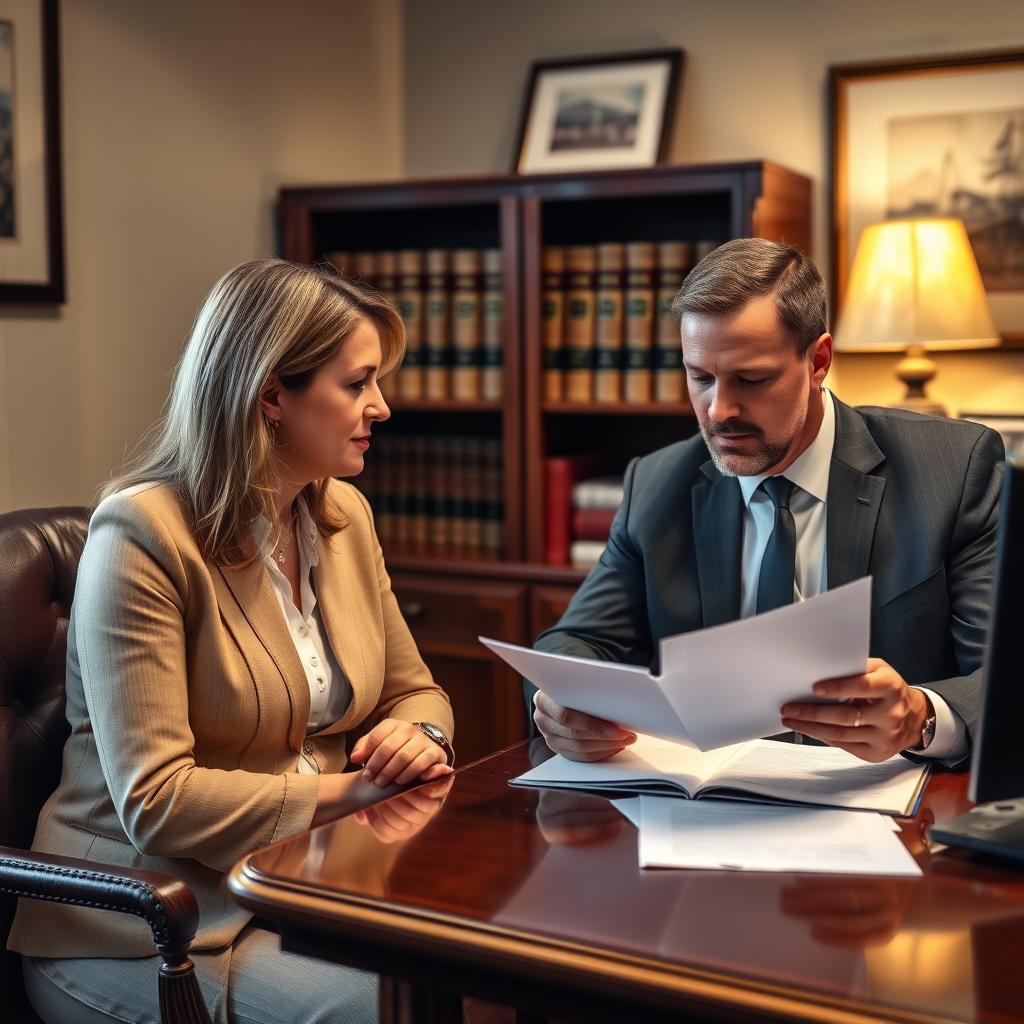
Military Divorce Lawyer Fluvanna County
You need a Military Divorce Lawyer Fluvanna County to handle the unique federal and state laws governing service member cases. Law Offices Of SRIS, P.C.—Advocacy Without Borders. provides direct legal counsel for military divorces in Fluvanna County. We address jurisdiction, asset division under the USFSPA, and child custody during deployments. Our team understands the specific procedures of the Fluvanna County Circuit Court. (Confirmed by SRIS, P.C.)
Statutory Definition of Military Divorce in Virginia
Virginia military divorces are governed by state law and the federal Servicemembers Civil Relief Act (SCRA). The core Virginia statute is § 20-91, which establishes the grounds for divorce. A key federal statute is the Uniformed Services Former Spouses’ Protection Act (USFSPA), 10 U.S.C. § 1408. This federal law allows state courts to treat military retired pay as property, not merely as income. The SCRA provides protections against default judgments for active-duty members. Virginia courts apply these laws in Fluvanna County cases.
Jurisdiction is the first major hurdle in any military divorce. A Virginia court must have authority over the service member or the spouse filing. The service member’s legal residence, or domicile, is critical. Military personnel often retain domicile in a state other than where they are stationed. For a Fluvanna County court to hear the case, either party must be a bona fide resident of Virginia for at least six months. The filing spouse must also reside in Fluvanna County for one month before filing. This residency requirement is strictly enforced.
Asset division in a military divorce involves specific federal entitlements. The USFSPA permits state courts to divide disposable retired pay. The court can award a portion to the former spouse as property. This is distinct from alimony, which is based on need. The “10/10 rule” is a common misunderstanding. It refers to the Defense Finance and Accounting Service’s (DFAS) requirement for direct payment. DFAS requires a 10-year marriage overlapping 10 years of service for direct payment. A Fluvanna County court can still award a share of retirement even if the “10/10 rule” is not met. The service member would then be responsible for the payment.
Child custody and support present unique challenges with deployments. Virginia law focuses on the child’s best interests. A military parent’s potential deployment is a factor the court considers. It does not automatically disqualify them from custody. Parenting plans must include provisions for deployment, temporary duty, and relocation. The Fluvanna County Circuit Court expects detailed plans for communication and care during absences. Child support calculations include military basic pay, allowances for housing and subsistence, and special pay. The Virginia Child Support Guidelines apply, but all military income must be properly accounted for.
How is military retirement divided in a Virginia divorce?
Military retirement is divided as marital property under the USFSPA and Virginia equitable distribution law. The Fluvanna County court determines the marital share of the retirement benefit. The court uses a coverture fraction: years of marriage during service divided by total years of service. This fraction is applied to the disposable retired pay at the time of divorce or retirement. The court can award a percentage of this marital share to the former spouse. An order must be precise to be enforceable by DFAS.
What is the SCRA’s role in a military divorce case?
The Servicemembers Civil Relief Act (SCRA) provides active-duty members protection from default judgments. It allows for a stay, or postponement, of court proceedings. A service member can request this stay if military duty materially affects their ability to appear in court. The initial stay can be for at least 90 days. The Fluvanna County Circuit Court must grant this stay upon proper application. This protects service members from losing their case without a chance to defend themselves.
Can a military parent get custody if deployed?
A military parent can obtain custody in Virginia even with a history of deployments. The court examines the stability and continuity of care for the child. A detailed family care plan is essential. The plan must designate a caregiver during the parent’s absence. The Fluvanna County court will assess the plan’s thoroughness and the child’s relationship with the proposed caregiver. Deployment is one factor among many in the best interest analysis.
The Insider Procedural Edge in Fluvanna County
The Fluvanna County Circuit Court is located at 132 Main Street, Palmyra, VA 22963. All military divorce cases for Fluvanna County residents are filed here. The court handles the full dissolution process, from initial complaint to final decree. You must file a Complaint for Divorce and pay the required filing fee. Procedural specifics for Fluvanna County are reviewed during a Consultation by appointment at our Fluvanna County Location. The court’s docket moves deliberately, and local rules are strictly followed.
Filing fees are set by the state and are subject to change. The current fee for filing a divorce complaint is approximately $89. There are additional costs for serving papers, motions, and final decree entry. If the service member is on active duty and cannot be personally served, alternative service methods may be required. The Fluvanna County clerk’s Location can provide the most current fee schedule. An experienced military divorce lawyer in Virginia will manage these procedural steps efficiently.
The timeline for a military divorce in Fluvanna County varies. An uncontested divorce with no minor children can be finalized after a six-month separation if based on no-fault grounds. If the divorce is contested, the timeline extends significantly. The SCRA stay can add months to the process. Discovery, negotiations, and potential trial all contribute to the duration. The Fluvanna County Circuit Court schedules hearings based on its calendar and case detail. Early legal advice from SRIS, P.C. can help set realistic expectations.
Local procedural facts matter. The Fluvanna County court expects all pleadings to comply with the Virginia Rules of the Supreme Court. Military divorce complaints must clearly allege jurisdictional facts. This includes the service member’s domicile and the plaintiff’s residency. The court also requires precise language for any division of military retirement. The order must meet the “Richardson formula” and DFAS requirements. Failure to draft the order correctly can delay enforcement. Our attorneys know these local filing requirements.
What is the filing fee for divorce in Fluvanna County?
The filing fee for a divorce complaint in Fluvanna County Circuit Court is approximately $89. This fee is paid to the Clerk of the Court when the complaint is filed. Additional fees apply for serving the defendant, filing motions, and entering the final decree. Fee waivers are possible for indigent parties but are granted sparingly. Confirm the exact amount with the clerk’s Location before filing.
How long does a military divorce take here?
A military divorce in Fluvanna County typically takes a minimum of six months from filing to final decree for an uncontested case. Contested cases often take one to two years or longer. The SCRA stay, discovery disputes, and court scheduling delays are major factors. The presence of detailed assets like military pensions also extends the timeline. An early settlement agreement is the most reliable way to shorten the process.
Penalties & Defense Strategies in Military Divorce
The most common penalty in a contested military divorce is an unfavorable division of assets and liabilities. The court’s decisions on property, debt, and support have long-term financial consequences. There are no criminal penalties, but the financial stakes are high. The table below outlines key potential outcomes.
| Offense / Issue | Penalty / Outcome | Notes |
|---|---|---|
| Failure to Establish Jurisdiction | Case Dismissed | Court lacks power to grant divorce or divide assets. |
| Poorly Drafted Retirement Order | DFAS Rejection, Loss of Benefits | Order must comply with federal and state law. |
| Default Judgment (Without SCRA Stay) | Loss of Rights to Argue Asset Division | Service member forfeits input on property, custody, support. |
| Contempt for Violating Orders | Fines, Jail, Attorney’s Fees | Failure to pay support or comply with custody orders. |
| Unfavorable Custody Ruling | Limited Parenting Time | Based on court’s best interest analysis, including deployment history. |
[Insider Insight] Local prosecutor trends do not apply in civil divorce cases. However, the Fluvanna County Circuit Court judges expect strict compliance with procedural rules. They scrutinize jurisdiction allegations in military cases. Judges also demand clarity in orders dividing military pensions. The court tends to enforce separation agreements as written. Having a lawyer who knows these local expectations is a tactical advantage. This knowledge prevents procedural missteps that can undermine your case.
Defense strategies begin with proper service and response. If you are a service member served with divorce papers, consult a lawyer immediately. You may have grounds for an SCRA stay. Even if you do not seek a stay, you must file a responsive pleading. Defaulting can result in losing all rights to argue property division, custody, and support. A strong defense involves thorough financial discovery. This includes obtaining Leave and Earnings Statements (LES), retirement estimates, and documentation of all assets acquired during the marriage.
Negotiation is often the best defense. A negotiated settlement agreement provides certainty and control. It avoids the risk of a judge’s ruling. In a military divorce, the agreement must address jurisdiction, retirement pay division, Survivor Benefit Plan (SBP) elections, and healthcare (TRICARE). It must also include a detailed parenting plan for deployments. SRIS, P.C. attorneys are skilled negotiators who protect your military benefits. We draft agreements that are clear and enforceable under both Virginia and federal law.
Litigation defense requires precise legal argument. If your case goes to trial, you must prove your case on jurisdiction, asset classification, and the child’s best interests. For a Virginia family law matter involving military pensions, experienced testimony may be needed to value the asset. Demonstrating a stable family care plan is important for a deploying parent seeking custody. Our firm builds a documented case for trial from day one.
What happens if I ignore divorce papers while on active duty?
Ignoring divorce papers while on active duty can lead to a default judgment against you. You forfeit your right to contest property division, spousal support, and child custody. The SCRA provides protections, but you must actively invoke them. You or your attorney must file for a stay of proceedings. Failing to act waives these important protections.
How is child support calculated for military personnel?
Child support for military personnel in Virginia is calculated using all forms of military pay. This includes Basic Pay, Basic Allowance for Housing (BAH), Basic Allowance for Subsistence (BAS), and special pays. The Virginia Child Support Guidelines formula is applied to this total income. The Fluvanna County court will impute income if a service member voluntarily reduces earnings.
Why Hire SRIS, P.C. for Your Fluvanna County Military Divorce
Our lead attorney for military family law matters is a veteran of detailed jurisdictional and asset division cases.
SRIS, P.C. has achieved favorable results for service members and their spouses in Fluvanna County. We focus on protecting your financial stability and parental rights.
The firm’s differentiator is its systematic approach to military divorce. We start by locking down jurisdiction. We then conduct exhaustive discovery of all military and civilian assets. Our team drafts precise settlement agreements and court orders that meet DFAS requirements. We anticipate issues like the Survivor Benefit Plan and former spouse TRICARE eligibility. For contested cases, we prepare for trial with the same rigor. Our experienced legal team knows how to present a military parent’s case for custody effectively.
Your military divorce lawyer Fluvanna County must understand both the courtroom and the barracks. Our attorneys are familiar with military culture, pay structures, and common deployment cycles. This knowledge informs our advice and strategy. We communicate directly, without legal jargon. We give you blunt assessments of your position and likely outcomes. This allows you to make informed decisions about settlement or trial. SRIS, P.C. provides advocacy without borders, whether you are stationed at Fort Walker or overseas.
Localized FAQs for Military Divorce in Fluvanna County
What are the residency requirements for filing for divorce in Fluvanna County?
You or your spouse must be a bona fide resident of Virginia for at least six months. The spouse filing the complaint must also reside in Fluvanna County for one month before filing. Military stationing alone does not establish residency; domicile intent is key.
How does a deployment affect child custody proceedings?
Deployment is a factor in the child’s best interest analysis. It does not automatically preclude custody. The court requires a detailed family care plan naming a caregiver. The plan must ensure the child’s stability and continuity during the deployment period.
Will I lose my military retirement in a divorce?
You will not lose all your retirement. The portion earned during the marriage is marital property subject to division. The court uses a formula to determine the marital share. It can award a percentage of that share to your former spouse.
Can I get a divorce if my spouse is deployed overseas?
Yes, you can file for divorce. Service of process may require alternative methods approved by the court. The SCRA may grant your spouse a stay of proceedings. The divorce can proceed once the stay expires or is lifted.
What is the “10/10 rule” for military divorce?
The “10/10 rule” refers to DFAS requirements for direct payment of retired pay. It requires 10 years of marriage overlapping 10 years of creditable service. If not met, the court can still award a share, but the service member makes the payment.
Proximity, CTA & Disclaimer
Our Fluvanna County Location is positioned to serve clients throughout the region. Procedural specifics for Fluvanna County are reviewed during a Consultation by appointment at our Location. For immediate legal guidance on your military divorce, contact SRIS, P.C. Consultation by appointment. Call 888-437-7747. 24/7.
Law Offices Of SRIS, P.C.
—Advocacy Without Borders.
Phone: 888-437-7747
Past results do not predict future outcomes.