
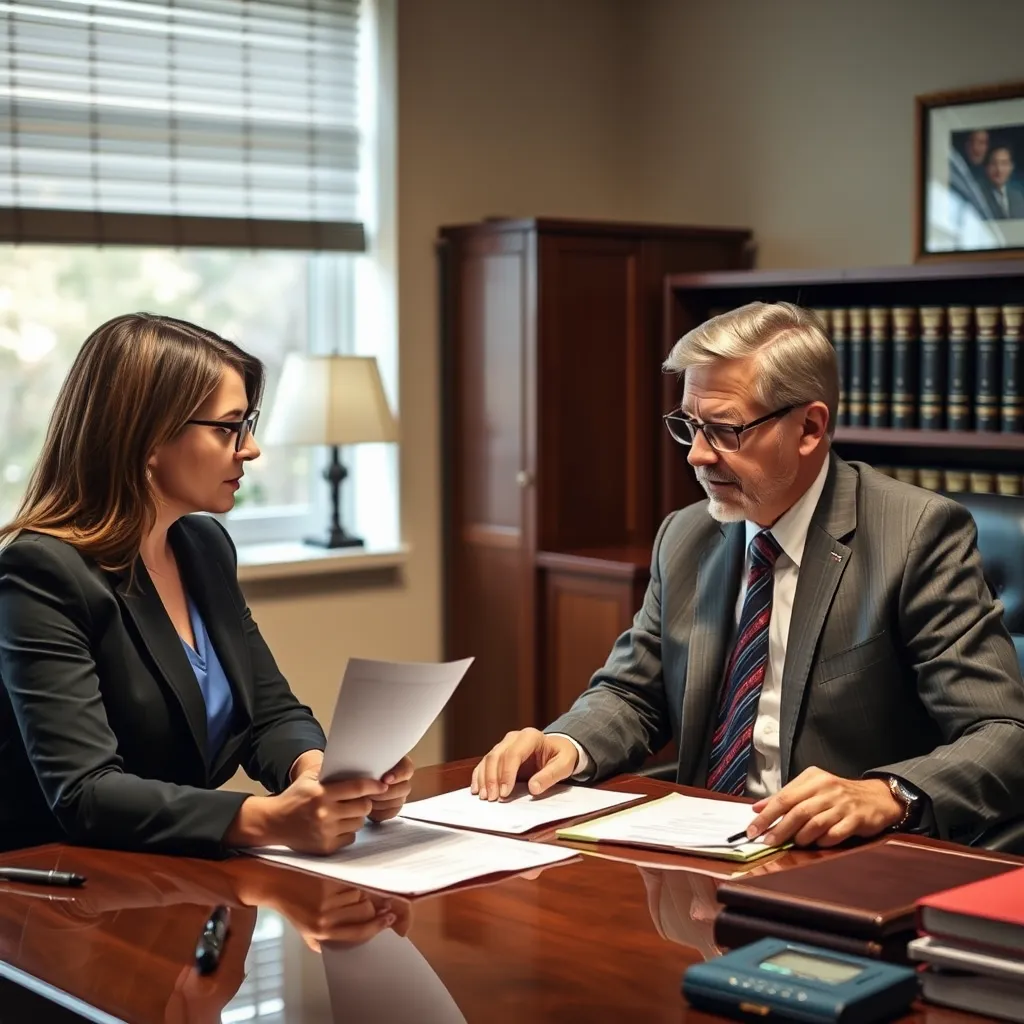
Alimony Enforcement Lawyer Falls Church, VA
When a former spouse fails to comply with a spousal support order in Falls Church, Virginia, the recipient faces financial uncertainty and stress. Alimony enforcement in Virginia is a legal process that seeks to compel compliance with an existing support obligation. The Falls Church Circuit Court, located at 300 Park Avenue, Suite 151W, Falls Church, VA 22046, has the authority to address alimony enforcement matters as part of its jurisdiction over divorce and spousal support proceedings. Mr. Sris and his Of Counsel at Law Offices Of SRIS, P.C. represent clients in Falls Church and throughout Northern Virginia who are seeking to enforce court-ordered alimony. For assistance with your specific situation, call (888) 437-7747 to request a consultation.
What Alimony Enforcement Means in Falls Church, Virginia
Alimony, also referred to as spousal support, is a court-ordered payment from one spouse to the other following a divorce. Virginia Code § 20-107.1 outlines the factors the court considers when determining whether spousal support is appropriate and, if so, the amount and duration. Alimony enforcement becomes necessary when the paying spouse fails to make payments as ordered. In Falls Church, enforcement actions typically involve filing a motion with the Falls Church Circuit Court, which has jurisdiction over divorce and spousal support cases. The court may use various tools to compel compliance, including income-withholding orders, garnishment, or contempt proceedings.
Falls Church is an independent city within the Seventeenth Judicial District, situated near major Northern Virginia corridors such as I-66 and Route 7. The community is served by the firm’s Fairfax location, located at 4008 Williamsburg Court, Fairfax, VA 22032. By appointment, Mr. Sris and his Of Counsel meet with clients at that location and appear in Falls Church courts on their behalf. Because alimony enforcement is a post-divorce matter, it often involves the same court that handled the original divorce decree, though the procedural steps differ from the initial dissolution. Understanding the local court’s expectations and the statutory framework is important for achieving a meaningful resolution.
How Mr. Sris and His Of Counsel Handle Alimony Enforcement Cases
Mr. Sris and his Of Counsel approach alimony enforcement with a focus on the specific terms of the existing support order and the facts of the non-payment. The process begins with a careful review of the divorce decree and any subsequent modifications to determine the precise obligations. They then examine the reasons for non-compliance—whether it stems from a change in circumstances, willful refusal, or oversight—and evaluate the available enforcement remedies. In Falls Church, these may include filing a petition for a rule to show cause, requesting a court order for wage garnishment, or seeking a judgment for arrears. Every step is handled in accordance with Virginia’s equitable distribution principles and the statutory factors that underlie spousal support.
The team prepares all necessary pleadings, gathers supporting financial documentation, and represents the client at any hearings before the Falls Church Circuit Court. They work to present a clear, fact-based record that demonstrates the obligation and the non-payment, while anticipating any defenses the paying spouse may raise. Throughout the matter, the attorneys communicate directly with the client about the procedural status and the likely timeline. Because enforcement actions can sometimes lead to modifications or settlement negotiations, Mr. Sris and his Of Counsel remain prepared to adapt the strategy as the matter evolves. The timeline for resolution varies by case complexity and the court’s calendar; consultation with experienced counsel helps set realistic expectations.
About Mr. Sris and His Of Counsel Team
Mr. Sris, Owner and Founder of Law Offices Of SRIS, P.C., has practiced since 1997 and is admitted in Virginia, Maryland, the District of Columbia, New Jersey, and New York. A former prosecutor, Mr. Sris testified before the Virginia House Courts of Justice Committee in support of 2019 HB 635 (chief patron Del. David Bulova). His background includes experience in criminal trial work and complex family law matters, including alimony enforcement and modifications. Mr. Sris and his Of Counsel bring over 120 years of combined legal experience to alimony enforcement cases, backed by 4,739+ documented firm-wide results. Results may vary.
All non-SRIS attorneys at the firm serve as Of Counsel and are engaged through Excella. They work collaboratively with Mr. Sris on family law matters across multiple jurisdictions. The team appears regularly in Falls Church courts and is familiar with the procedures and expectations of the local bench. Clients benefit from a multi-state perspective that can be valuable when enforcement crosses jurisdictional lines or involves related matters in other counties.
Frequently Asked Questions
What is alimony enforcement in Virginia?
Alimony enforcement is the legal process used when a spouse fails to make court-ordered spousal support payments. In Virginia, the recipient may file a motion with the Circuit Court that issued the original divorce decree. The court can then use contempt powers, wage garnishment, or other remedies to compel payment. For Falls Church matters, that court is the Falls Church Circuit Court at 300 Park Avenue.
How does the court enforce alimony in Falls Church?
The Falls Church Circuit Court has several enforcement tools, including issuing a rule to show cause that requires the paying spouse to explain why they should not be held in contempt. If willful non-payment is proven, the court may order the payment of arrears, garnish wages, or impose other sanctions. The specific approach depends on the facts of the case and the terms of the underlying support order.
What should I do if my ex-spouse stops paying alimony in Falls Church?
Document each missed payment and gather any related correspondence. Then contact an experienced family law attorney who handles alimony enforcement in the Falls Church area. Swift action is often important because the court can only address non-payment once a motion is filed. An attorney can explain your options and initiate the enforcement proceeding on your behalf.
Can I file for contempt if alimony is not paid?
Yes. A contempt motion is a common remedy in Virginia alimony enforcement. The moving party must show that the paying spouse had both the ability to pay and the willful intent not to do so. If found in contempt, the paying spouse may face sanctions such as jail time or fines until compliance is achieved, though the court usually first orders payment of arrears.
What are possible defenses to an alimony enforcement action?
A paying spouse may argue that they lack the ability to pay due to a genuine change in financial circumstances, that the support obligation was unclear, or that the recipient agreed to accept a different arrangement. These defenses are fact-sensitive and must be raised in the enforcement proceeding. An attorney can evaluate the strength of any defense and advise accordingly.
Do I need a lawyer for alimony enforcement in Falls Church?
While you are not required to hire a lawyer, alimony enforcement involves procedural rules and evidentiary requirements that can be challenging without legal guidance. A lawyer familiar with the Falls Church Circuit Court can present your case effectively and handle any unexpected defenses. For a consultation, reach Mr. Sris and his Of Counsel at (888) 437-7747.
How long does an alimony enforcement case take in Falls Church?
The timeline varies based on the court’s calendar, the complexity of the financial issues, and whether the paying spouse cooperates. A straightforward uncontested enforcement might resolve in a few months, while a contested matter requiring multiple hearings can take longer. An attorney can provide a more specific estimate after reviewing your case.
What is the cost of an alimony enforcement lawyer in Falls Church?
Legal fees depend on the scope of representation and the complexity of the matter. Some cases resolve through negotiation, while others require court hearings and extensive discovery. Law Offices Of SRIS, P.C. offers consultations by appointment. To discuss fees and payment options for your specific situation, call (888) 437-7747.
Can alimony enforcement be combined with a modification request?
Yes. A paying spouse might respond to an enforcement petition by seeking a downward modification of support based on changed circumstances. Conversely, a recipient might request an increase if the paying spouse’s income has risen and the original order is insufficient. These matters are often heard together by the Falls Church Circuit Court.
What happens if the paying spouse lives outside Virginia?
When the paying spouse resides out of state, enforcement may involve the Uniform Interstate Family Support Act (UIFSA), which allows coordination between jurisdictions. The firm’s multi-state practice can be particularly useful in these situations, as Mr. Sris and his Of Counsel are admitted in Virginia, Maryland, and the District of Columbia, among other jurisdictions. This reduces the need to retain separate counsel in neighboring states.
Is alimony enforcement limited to the original divorce court?
Generally, yes. The Virginia Circuit Court that entered the divorce decree retains continuing jurisdiction over the support order, including enforcement and modification. For Falls Church residents, this is the Falls Church Circuit Court. If you have moved to a different locality within Virginia, jurisdiction may remain in the original court, though procedural options exist to transfer.
What should I bring to a consultation about alimony enforcement?
Bring a copy of your divorce decree and any subsequent orders relating to spousal support, a record of the payments that have been made and missed, any correspondence with the other party about the payments, and documentation of your own financial situation. This information helps the attorney assess the strength of your enforcement claim and the appropriate remedy.
Related pages:
Family Law Lawyer Fairfax County, VA ·
Family Law Lawyer Fairfax, VA ·
Family Law Lawyer Prince William County, VA
Virginia family law resources:
Virginia Code Title 20 (Domestic Relations) ·
Falls Church Circuit Court ·
Virginia Courts
Attorney advertising. Prior results do not guarantee a similar outcome. Results may vary.
Case results depend on a variety of factors unique to each case.