
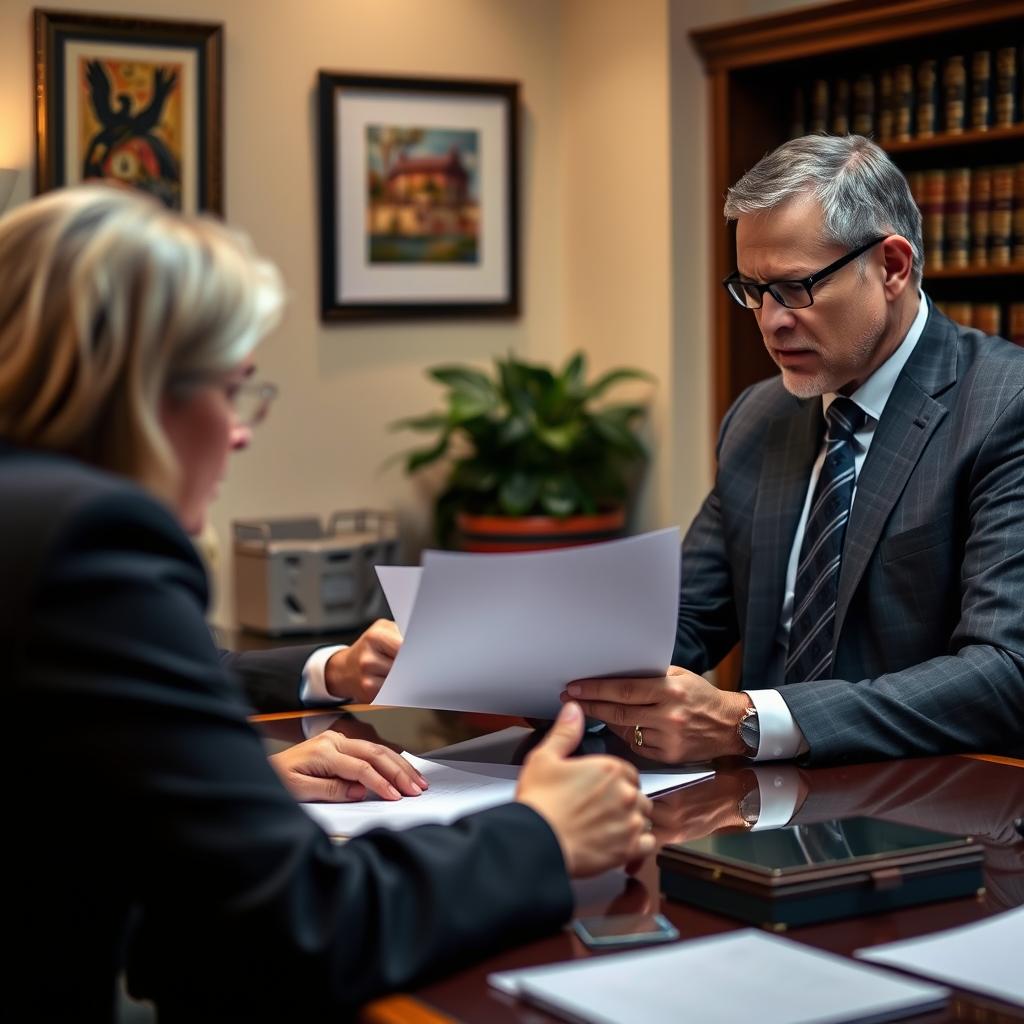
Cruelty Divorce Lawyer Prince William County, VA
A cruelty divorce in Virginia permits one spouse to end the marriage when the other spouse’s conduct
makes continued cohabitation unsafe or unreasonable. Under Va. Code § 20-91, cruelty is a fault
ground for divorce — meaning the person who files must present evidence of harmful behavior, not merely
allege discontent. In Prince William County, these matters are heard in the Circuit Court at 9311 Lee
Avenue, Suite 230, Manassas, while related custody, support, and protective-order issues are addressed
in the Juvenile and Domestic Relations District Court. Whether the cruelty is physical, emotional, or
a pattern of conduct that endangers well‑being, the facts must meet the statutory standard. Mr. Sris,
Owner and Founder of Law Offices Of SRIS, P.C., and his Of Counsel bring decades of experience to
cruelty divorce cases in Prince William County. To discuss your situation with an experienced Virginia
family law attorney, reach Law Offices Of SRIS, P.C. at (888) 437‑7747.
Law Offices Of SRIS, P.C. — Advocacy Without Borders.
What Cruelty Divorce Means in Prince William County, Virginia
Under Virginia law, cruelty as a divorce ground encompasses more than physical violence. A spouse may
seek a cruelty divorce when the other spouse’s actions create a reasonable apprehension of bodily hurt
or make living together intolerable. The law does not require a specific number of incidents; instead,
the evidence must show a course of conduct that endangers the life, limb, or health of the filing
spouse or renders cohabitation unsafe. In Prince William County, the Circuit Court has exclusive
original jurisdiction over the divorce itself, while the Juvenile and Domestic Relations District
Court can handle requests for protective orders, temporary custody, and support. Because a cruelty
divorce is fault‑based, it may affect matters such as spousal support and the equitable distribution of
marital property, though each outcome depends heavily on the particular facts and the court’s
consideration of the statutory factors set out in Va. Code § 20‑107.3.
Prince William County encompasses the communities of Manassas, Woodbridge, Dale City, Gainesville,
Haymarket, Lake Ridge, and Occoquan, among others. The firm’s Fairfax location handles family law
matters throughout the Thirty‑first Judicial District, serving clients who live or work in Prince
William County. The local judges and court procedures bring a distinct rhythm to divorce litigation,
and an attorney familiar with the Prince William County Circuit Court and its expectations can help
present the evidence of cruelty effectively. When a cruelty divorce is pursued, the process may
involve gathering documentation, identifying witnesses, and, if necessary, presenting testimony about
the harmful conduct. The court will weigh all evidence under the standards established by Virginia
law, and the outcome will reflect the specific circumstances of the marriage and the behavior at
issue.
How Mr. Sris and His Of Counsel Handle Cruelty Divorce Cases
Mr. Sris and his Of Counsel approach each cruelty divorce matter by first understanding the client’s
circumstances and the evidence of the spouse’s conduct. This often includes reviewing police reports,
medical records, text messages, email correspondence, and any prior protective orders obtained in
Prince William County. Because cruelty allegations can also influence custody and support proceedings,
the team evaluates the full family picture — not only the marital relationship but also the impact on
any children and the financial arrangements of the household. When filing the Complaint for Divorce
in the Prince William County Circuit Court, the legal team asserts the ground of cruelty and, where
appropriate, requests pendente lite relief for temporary support, exclusive use of the family
residence, or other protective measures available under Va. Code § 20‑103.
Mr. Sris draws on his background as a former prosecutor to present evidence clearly and to challenge
any counter‑claims by the opposing party. His Of Counsel bring additional experience in family law,
child welfare, and trial advocacy, contributing to a thorough case strategy. The team works toward
achieving a resolution — whether through negotiation, mediation, or litigation — that protects the
client’s interests. Throughout the process, the focus remains on the specific factual record and the
applicable Virginia legal standards, with the understanding that every cruelty divorce case unfolds
differently and that case outcomes depend on the evidence presented and the discretion of the court.
About Mr. Sris and His Of Counsel Team
Mr. Sris is the Owner and Founder of Law Offices Of SRIS, P.C. He has practiced law since 1997 and
is admitted in Virginia, Maryland, the District of Columbia, New Jersey, and New York. A former
prosecutor, Mr. Sris understands how to build a factual record and present evidence in contested
matters. He testified before the Virginia House Courts of Justice Committee in support of
2019 HB 635 (chief patron Del. David Bulova). Mr. Sris and his Of Counsel have documented
4,739+ case results across all practice areas since 1997. Results may vary. His Of Counsel — all engaged as non‑employee Of Counsel — bring more than
120 years of combined legal experience to family law cases, including cruelty divorce matters in
Prince William County. Results may vary. Together, the team is positioned to handle the procedural and substantive
demands of a Virginia divorce grounded on fault.
Frequently Asked Questions
What constitutes cruelty as a ground for divorce in Virginia?
Cruelty under Va. Code § 20-91 involves conduct by a spouse that endangers the life, limb, or
health of the other spouse or makes continued cohabitation unreasonable. The behavior can include
physical abuse, threats, emotional torment, or a pattern of actions that create a reasonable fear
of harm. The court examines the totality of the circumstances, not any single incident. Evidence
such as medical records, witness testimony, and communication between the parties is often central
to proving cruelty in a Prince William County Circuit Court proceeding. For guidance on your specific
situation, reach Law Offices Of SRIS, P.C. at (888) 437-7747.
Must I prove physical abuse to obtain a cruelty divorce in Prince William County?
Not necessarily. While physical violence clearly qualifies, Virginia courts also recognize
emotional cruelty and conduct that makes living together intolerable, provided the evidence
demonstrates a reasonable apprehension of bodily hurt or serious impairment of health. The
standard focuses on the effect of the other spouse’s behavior on the filing spouse’s well‑being,
not exclusively on physical injury. Each case is evaluated individually, and a family law
attorney can assess whether the specific facts in a Prince William County case satisfy the
statutory requirements. To discuss the details of your matter, contact Law Offices Of SRIS, P.C. at (888) 437-7747.
How does cruelty affect spousal support and property division in a Virginia divorce?
A finding of cruelty can influence the court’s decisions on spousal support and equitable
distribution, although it does not automatically determine the outcome. Under Va. Code
§ 20-107.3, the court considers the circumstances that contributed to the dissolution of the
marriage, including fault, among the 11 factors for dividing marital property. Similarly, spousal
support may be affected by the nature of the conduct that led to the divorce. Because these
determinations depend on the facts of each case and the judge’s discretion, obtaining experienced
legal advice is important. For a consultation, reach Mr. Sris and his Of Counsel at
(888) 437-7747.
Can a cruelty divorce also resolve child custody and support in Prince William County?
Yes. Although the divorce itself is granted by the Circuit Court, issues of child custody,
visitation, and support may be addressed in the same action or, if necessary, in the Prince William
County Juvenile and Domestic Relations District Court. A cruelty finding does not automatically
determine custody, but the court’s paramount concern is the best interests of the child under
Va. Code § 20-124.3. Evidence of a parent’s abusive or harmful conduct can be relevant to
custody and parenting‑time decisions. The team carefully coordinates the divorce, custody, and
support aspects to protect the client’s parental rights and the child’s welfare. Results may vary.
Do I need a lawyer to file a cruelty-based divorce in Virginia?
While it is possible to file for divorce without an attorney, a cruelty divorce involves fault‑based
allegations that must be pleaded and proven under specific legal standards. Procedural missteps or
insufficient evidence can jeopardize the outcome. An experienced family law attorney can gather
the necessary documentation, identify witnesses, and present the case in a manner consistent with
Prince William County court practices. Law Offices Of SRIS, P.C. handles cruelty divorce matters
and can discuss your legal options. Call (888) 437-7747 to speak with the firm.
How does the process for a cruelty divorce differ from a no-fault divorce in Virginia?
A no‑fault divorce in Virginia does not require proving misconduct; it is based on a period of
separation — six months with a signed separation agreement and no minor children, or one year
otherwise. A cruelty divorce, by contrast, is a fault‑based action that requires presenting evidence
of the harmful conduct and may proceed without a waiting period after the cruelty occurs. Because
the ground is fault‑based, it can affect relief such as spousal support and property division in
ways that a no‑fault divorce may not. The choice between grounds depends on the facts of the
marriage and the client’s objectives. For guidance on your specific situation, reach Law Offices Of SRIS, P.C. at (888) 437-7747.
Related family law pages:
Fairfax County Family Law Lawyer ·
Stafford County Family Law Lawyer ·
Fauquier County Family Law Lawyer ·
Loudoun County Family Law Lawyer
Virginia legal resources:
Virginia Code Title 20 (Domestic Relations) ·
Virginia Judicial System
Attorney advertising. Prior results do not guarantee a similar outcome. Results may vary.
Case results depend on a variety of factors unique to each case.