
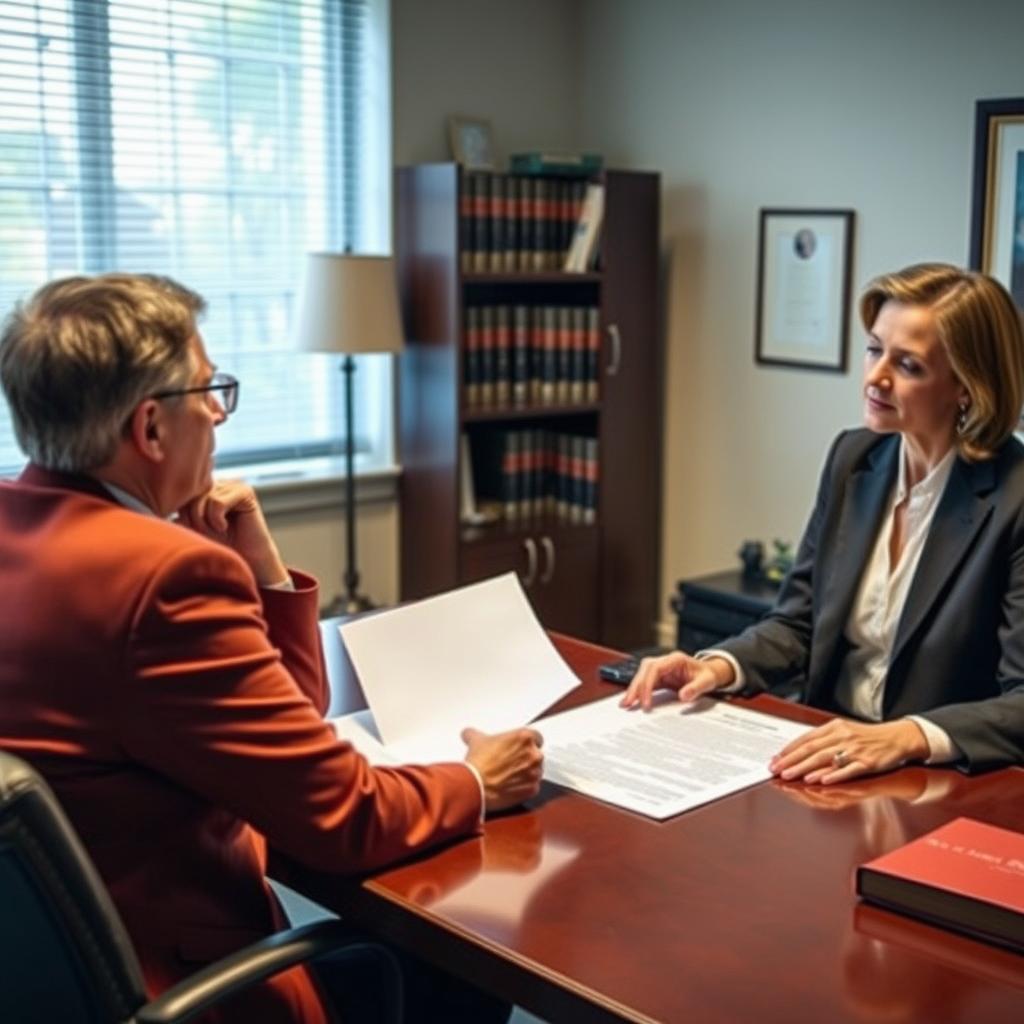
Divorce Lawyer Fauquier County
You need a Divorce Lawyer Fauquier County to handle your case in the Fauquier County Circuit Court. Law Offices Of SRIS, P.C.—Advocacy Without Borders. provides direct legal representation for contested and uncontested dissolutions. Virginia law governs grounds, property division, and support. Procedural specifics for Fauquier County are reviewed during a Consultation by appointment at our Fauquier County Location. (Confirmed by SRIS, P.C.)
Statutory Definition of Divorce in Virginia
Virginia divorce law is codified under Title 20, Domestic Relations. The core statute for a divorce from the bond of matrimony is § 20-91. This section outlines the specific grounds upon which a court can grant a final decree of divorce. Understanding these grounds is the first critical step in any Fauquier County divorce case. The law separates grounds into fault-based and no-fault categories, each with distinct procedural requirements and potential impacts on issues like spousal support and equitable distribution. A Divorce Lawyer Fauquier County must analyze which ground applies to your specific marital situation. The statutory framework also imposes mandatory waiting periods that affect the timeline for obtaining a final decree. These laws are applied by the Fauquier County Circuit Court judge presiding over your case.
Va. Code § 20-91 — Grounds for divorce from the bond of matrimony. This statute lists the legal reasons for ending a marriage in Virginia. It includes both fault-based grounds, like adultery or cruelty, and no-fault grounds based on separation. The classification determines the evidence required and can influence ancillary rulings. The maximum penalty is the dissolution of the marital contract and the court’s orders on all related matters.
What are the no-fault grounds for divorce in Virginia?
No-fault divorce in Virginia requires a period of separation. You can file under Va. Code § 20-91(A)(9) after living separate and apart without cohabitation for one year if you have no minor children. If you have a separation agreement, the period is reduced to six months under § 20-91(A)(9)(a). The separation must be continuous and intentional. A court will examine evidence like separate residences and ceased marital relations.
What are the fault-based grounds for divorce?
Fault-based grounds include adultery, cruelty, desertion, and felony conviction. Adultery under § 20-91(A)(1) requires clear and convincing evidence of sexual intercourse. Cruelty under § 20-91(A)(6) involves reasonable apprehension of bodily hurt or willful conduct that makes cohabitation unsafe. These grounds can affect spousal support awards and property division. Proving fault requires substantial evidence and strategic litigation.
How does Virginia law define “separate and apart”?
Virginia courts interpret “separate and apart” as living in different residences without marital relations. Simply sleeping in different rooms in the same house is generally insufficient. The parties must demonstrate an intent to end the marital relationship. Brief reconciliations can reset the separation clock. Documentation of separate addresses and lifestyles is important for a no-fault divorce lawyer Fauquier County to present. Learn more about Virginia family law services.
The Insider Procedural Edge in Fauquier County
All divorce cases in Fauquier County are filed with the Fauquier County Circuit Court. The court’s address is 65 Culpeper Street, Warrenton, VA 20186. You must file a Complaint for Divorce and pay the required filing fee to initiate the case. The court clerk will assign a case number and a circuit court judge. The procedural path depends heavily on whether your divorce is contested or uncontested. Local rules and judicial preferences in Fauquier County can influence scheduling and hearing formats. An attorney familiar with this court knows how to handle its specific docket management practices.
What is the timeline for a divorce in Fauquier County?
The timeline depends on the ground for divorce and the level of conflict. An uncontested, no-fault divorce after a one-year separation can often be finalized shortly after the waiting period ends. A contested fault-based divorce can take a year or more to litigate. The court’s docket availability and the detail of asset division or custody disputes extend timelines. Your divorce lawyer Fauquier County can provide a realistic estimate based on your case details.
What are the court costs and filing fees?
The filing fee for a Complaint for Divorce in a Virginia Circuit Court is set by statute. Additional costs include fees for serving the complaint on your spouse and for filing any necessary motions. If your case involves property or support disputes, there may be costs for financial discovery. Court reporter fees apply for depositions or contested hearings. Your attorney will outline all anticipated costs during your initial consultation.
How are cases scheduled in Fauquier County Circuit Court?
The Fauquier County Circuit Court uses a formal docket system managed by the clerk’s Location. Uncontested divorce hearings are often scheduled on specific motion days. Contested matters require scheduling orders and pre-trial conferences set by the judge. The court expects strict adherence to filing deadlines and local rules. An experienced dissolution of marriage lawyer Fauquier County will manage these schedules to avoid delays. Learn more about criminal defense representation.
Penalties, Outcomes, and Defense Strategies
The most common outcome in a Fauquier County divorce is a court order dividing assets, debts, and establishing support. The court’s orders are legally binding and enforceable through contempt proceedings. Failure to comply can result in wage garnishment, liens, or even jail time. The “penalties” in a divorce are the permanent legal and financial consequences of the final decree. A strategic defense focuses on protecting your rights to property, income, and time with your children.
| Potential Outcome | Legal Consequence | Notes |
|---|---|---|
| Equitable Distribution | Division of marital property and debts. | Virginia is an equitable distribution state, not community property. |
| Spousal Support | Court-ordered payments from one spouse to the other. | Awards consider length of marriage, standards of living, and fault. |
| Retirement Account Division | Requires a Qualified Domestic Relations Order (QDRO). | This is a separate, detailed order to divide pensions or 401(k)s. |
| Contempt of Court | Fines or jail for violating a court order. | Enforces child support, spousal support, or property transfer orders. |
[Insider Insight] Fauquier County judges expect thorough documentation and adherence to local procedure. In equitable distribution cases, they closely scrutinize financial disclosures for hidden assets. The court generally favors settlement agreements that resolve issues without a protracted trial. However, they will not hesitate to rule decisively on contested matters of child welfare or financial misconduct. Having a divorce lawyer Fauquier County who prepares careful evidence is critical.
How is marital property divided in Virginia?
Virginia courts divide marital property equitably, which means fairly, not necessarily equally. The court identifies all marital assets and debts acquired during the marriage. It then considers factors like each spouse’s contributions and the marriage’s duration. Separate property, owned before marriage or received by gift, is usually not divided. Valuation disputes often require experienced witnesses like forensic accountants.
What factors determine spousal support awards?
Spousal support determinations under Va. Code § 20-107.1 consider numerous factors. The court evaluates the needs and financial resources of each party, the standard of living during the marriage, and the duration of the marriage. The age and physical condition of both spouses are relevant. Fault in causing the divorce can significantly impact the amount and duration of an award. Learn more about personal injury claims.
Can a divorce affect my retirement benefits?
Yes, marital portions of retirement benefits are subject to division. This includes pensions, 401(k)s, IRAs, and military retirement. Dividing these assets requires a specific court order called a QDRO or similar instrument. The division is based on the coverture fraction—the portion of the benefit earned during the marriage. An attorney must draft this order precisely to avoid tax penalties.
Why Hire SRIS, P.C. for Your Fauquier County Divorce
SRIS, P.C. employs attorneys with deep experience in Virginia family law and the Fauquier County court system. Our team understands the substantive law and the local procedural nuances that can affect your case’s outcome. We approach each divorce with a focus on achieving your defined objectives, whether through negotiation or litigation. Our Fauquier County Location allows us to serve clients throughout the county effectively.
Attorney Background: Our family law attorneys have handled numerous cases in the Fauquier County Circuit Court. They are familiar with the judges, commissioners, and local rules that govern divorce proceedings. This local knowledge is applied to develop strategies for property division, support, and custody matters. We prepare every case as if it will go to trial to ensure strong negotiating use.
Our firm’s approach is direct and client-focused. We explain the legal process in clear terms and provide realistic assessments of possible outcomes. We gather and organize the necessary financial and personal evidence to support your position. For contested matters, we are prepared to advocate aggressively in court. For uncontested cases, we efficiently draft all agreements and court documents to finalize your divorce. Learn more about our experienced legal team.
Localized Fauquier County Divorce FAQs
How do I file for divorce in Fauquier County?
You file a Complaint for Divorce with the Fauquier County Circuit Court clerk at 65 Culpeper Street, Warrenton. You must meet Virginia residency and grounds requirements. The correct filing fee must be paid. The complaint must be properly served on your spouse to begin the legal process.
How long do you have to live in Virginia to get a divorce?
At least one party must be a bona fide resident of Virginia for six months before filing. For military personnel, Virginia must be the state of domicile. The Fauquier County Circuit Court must have jurisdiction over your case. Residency is a strict requirement under Va. Code § 20-97.
What is the difference between contested and uncontested divorce?
An uncontested divorce means both spouses agree on all terms like property, support, and custody. A contested divorce means one or more issues are disputed and require a judge’s decision. Uncontested cases are faster and less costly. Contested cases involve discovery, hearings, and potentially a trial.
How is child custody determined in a Fauquier County divorce?
Custody is determined based on the child’s best interests under Va. Code § 20-124.3. The court considers factors like the child’s needs, each parent’s ability to care for them, and the child’s own reasonable preferences. The court may order joint legal custody, sole custody, or a shared parenting plan. Physical custody schedules are detailed in a court order.
What is a separation agreement and do I need one?
A separation agreement is a legally binding contract that settles all divorce terms. It addresses property division, support, debt responsibility, and custody. Having one can shorten the no-fault separation period to six months. It is highly advisable to have an attorney draft or review any agreement before signing.
Proximity, Contact, and Critical Disclaimer
Our Fauquier County Location serves clients throughout the region, including Warrenton, The Plains, and Marshall. The Fauquier County Circuit Court is centrally located in Warrenton. For a detailed case review and strategy session, contact us to schedule a Consultation by appointment. Call our team 24/7 at (703) 636-5417. SRIS, P.C. provides legal representation for divorce and family law matters in Virginia.
Law Offices Of SRIS, P.C. —Advocacy Without Borders.
NAP: SRIS, P.C., Legal Services, Virginia.
Past results do not predict future outcomes.