
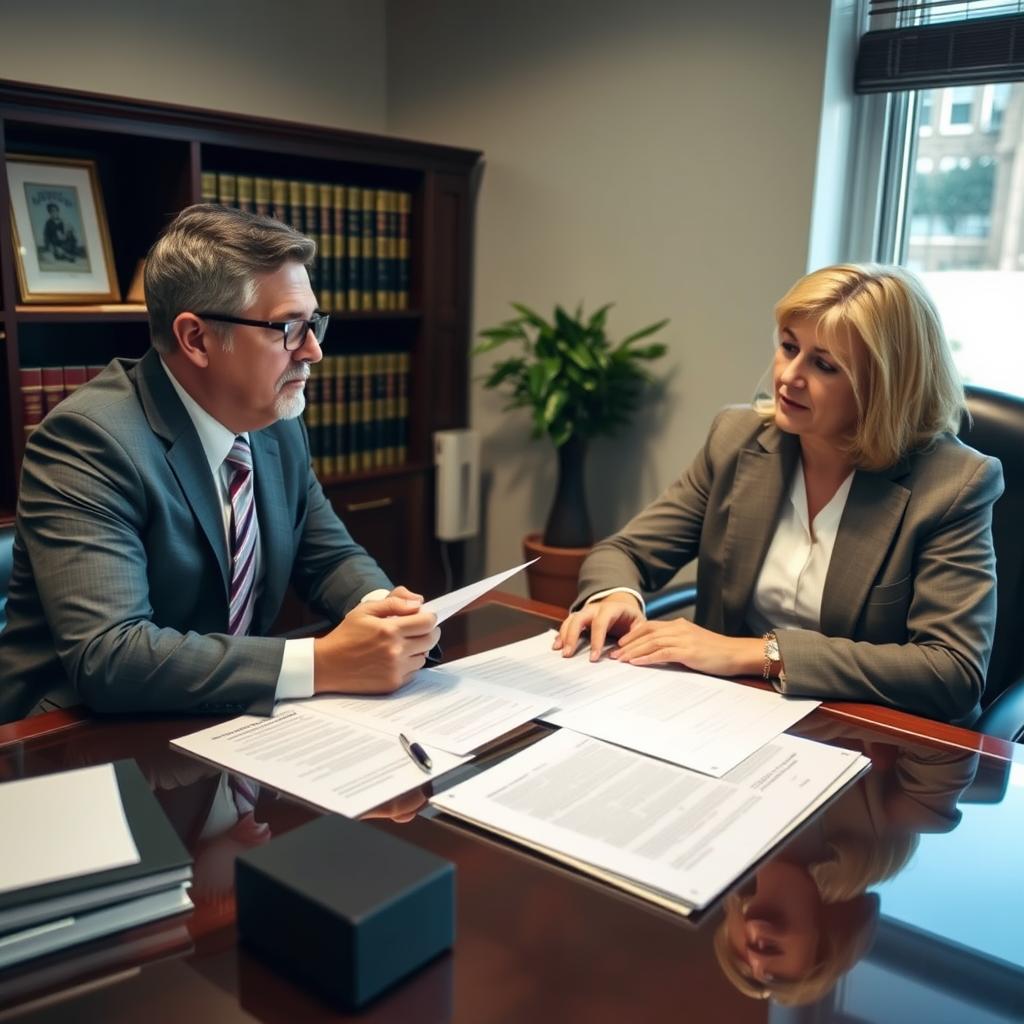
Divorce Lawyer Lexington
You need a Divorce Lawyer Lexington to handle your case in the Lexington/Rockbridge County Circuit Court. Law Offices Of SRIS, P.C. —Advocacy Without Borders. Virginia law requires specific grounds or a separation period to file. The process involves filing a complaint, serving your spouse, and resolving property, support, and custody matters. An attorney ensures your rights are protected under Virginia Code. (Confirmed by SRIS, P.C.)
Statutory Definition of Divorce in Virginia
Virginia Code § 20-91 — Class 4 Civil Proceeding — No criminal penalty, but final decree dissolves marriage and addresses support, property, and custody.
Divorce in Virginia is a civil action to legally end a marriage. The statutory framework is found in Title 20 of the Virginia Code. A divorce lawyer Lexington uses these statutes to build your case. The primary statute is Virginia Code § 20-91, which lists the grounds for divorce. These grounds are divided into fault-based and no-fault categories. Fault grounds include adultery, cruelty, desertion, and felony conviction. No-fault grounds are based on living separate and apart for a specified period. For a no-fault divorce with no minor children, you must live apart for six months with a separation agreement. If you have minor children, the required separation period is one year. A divorce decree from the court legally terminates the marital bond. The decree also resolves ancillary matters like spousal support, property division, and child custody. Virginia follows the principle of equitable distribution for marital property. This means the court divides property fairly, but not necessarily equally. Understanding these statutes is critical for any dissolution of marriage lawyer Lexington.
What are the grounds for divorce in Lexington?
Grounds for divorce in Lexington are defined by Virginia state law, not local ordinance. You can file based on fault or no-fault grounds. Fault grounds include adultery, cruelty, desertion, or a felony conviction. No-fault grounds require living separate and apart without cohabitation. The separation must be for six months with a separation agreement if there are no minor children. If minor children exist, the separation period is one full year. A divorce lawyer Lexington can advise which ground applies to your situation.
How does Virginia define “separate and apart”?
Virginia courts define “separate and apart” as living in separate residences without sexual relations. You can live under the same roof in rare cases if you maintain separate households. The key is the cessation of the marital relationship. The clock on the separation period stops if you resume cohabitation as a couple. Brief reconciliations for attempts to save the marriage may not reset the time. A dissolution of marriage lawyer Lexington can clarify how your living situation affects the timeline.
What is the difference between a divorce from bed and board and a divorce from the bond of matrimony?
A divorce from bed and board is a legal separation, not a final termination of marriage. It is a court order that addresses support and property while the marriage technically continues. Neither party can remarry after a divorce from bed and board. A divorce from the bond of matrimony is a final, absolute divorce. It completely dissolves the marriage, freeing both parties to remarry. Most clients seeking a divorce lawyer Lexington want a divorce from the bond of matrimony.
The Insider Procedural Edge in Lexington Circuit Court
Your divorce case will be filed at the Lexington/Rockbridge County Circuit Court located at 2 South Main Street, Lexington, VA 24450. Learn more about Virginia family law services.
The Lexington/Rockbridge County Circuit Court handles all divorce filings for the area. The court is at 2 South Main Street in downtown Lexington. Filing fees are set by the state and are subject to change. You must file a Complaint for Divorce to initiate the case. You must also serve your spouse with the complaint and a summons. Service can be by sheriff, private process server, or acceptance of service. If your spouse cannot be located, you may need to request service by publication. The court has specific local rules about formatting and filing documents. Missing a deadline or filing incorrectly can delay your case for months. Rockbridge County courts expect precise compliance with procedural rules. After filing, the case proceeds through stages like discovery and hearings. Many cases are resolved through negotiation or mediation before a final trial. If an agreement is reached, it is submitted to the judge as a final decree. If not, the court will schedule a trial to decide the unresolved issues. Having a divorce lawyer Lexington who knows this court’s procedures is a significant advantage.
What is the typical timeline for a divorce in Lexington?
The timeline for a divorce in Lexington depends on the grounds and level of agreement. An uncontested, no-fault divorce can sometimes be completed in a few months. A contested divorce with detailed issues can take a year or more. The mandatory separation periods add significant time before you can even file. Court docket schedules in Rockbridge County also influence the speed. A divorce lawyer Lexington can provide a realistic timeline based on your case details.
How much are the court filing fees for a divorce in Lexington?
Court filing fees for a divorce in Lexington are set by Virginia statute. The fee for filing a Complaint for Divorce is a primary cost. Additional fees exist for serving the spouse, filing motions, and final decrees. Fee waivers are available for individuals who meet low-income guidelines. The exact current fee amount should be confirmed with the court clerk. Your divorce lawyer Lexington will account for these costs in your case planning.
What local court rules are specific to Rockbridge County?
Local court rules in Rockbridge County cover formatting, filing deadlines, and motion practice. The court may require specific cover sheets or document sequences for filings. There are rules about scheduling hearings and submitting proposed orders. Judges in this circuit may have individual preferences for how cases are presented. Procedural specifics for Lexington are reviewed during a Consultation by appointment at our Lexington Location. An experienced divorce lawyer Lexington will be familiar with these local requirements.
Penalties, Outcomes, and Defense Strategies
The most common outcome in a Lexington divorce is an equitable division of marital assets and debts, along with orders for support and custody. Learn more about criminal defense representation.
While divorce is not a criminal case, the court’s orders carry the force of law. Failure to comply can result in contempt charges, fines, or even jail. The court’s decisions on financial and parental rights have long-term consequences. The table below outlines common legal outcomes in a Virginia divorce.
| Offense / Issue | Potential Legal Outcome | Notes |
|---|---|---|
| Non-Payment of Spousal Support | Contempt of Court, Wage Garnishment, Liens | Enforced through a Rule to Show Cause hearing. |
| Violation of Custody/Visitation Order | Contempt of Court, Modified Custody, Make-Up Time | Court prioritizes the child’s best interest. |
| Division of Marital Property | Equitable Distribution by Court Order | Includes real estate, retirement accounts, debts. |
| Determination of Spousal Support | Court-Ordered Periodic or Lump-Sum Payments | Based on need, ability to pay, and statutory factors. |
| Failure to Disclose Assets | Court Sanctions, Unequal Property Division | Full financial disclosure is mandatory. |
[Insider Insight] Local prosecutors in Rockbridge County do not handle divorce matters. However, the Commonwealth’s Attorney may become involved if a divorce case leads to criminal allegations like assault. In contested divorces, judges in this circuit closely examine evidence of fault, like adultery or cruelty, when making decisions on support and property division. They expect documentation, not just allegations. A skilled dissolution of marriage lawyer Lexington knows how to present or challenge such evidence effectively.
How is child custody determined in a Lexington divorce?
Child custody in Lexington is determined based on the child’s best interest. Virginia law considers factors like the child’s age, parental fitness, and the child’s own reasonable preference. The court may award sole or joint legal and physical custody. Parenting plans detailing schedules and decision-making are required. A divorce lawyer Lexington will fight to protect your parental rights and time with your child.
What factors affect spousal support in Virginia?
Spousal support in Virginia is affected by the needs of one spouse and the other’s ability to pay. The court considers the marriage’s length, each party’s standard of living, and their earning capacities. Fault in the marriage breakdown can also be a factor. Support can be temporary, rehabilitative, or permanent. An experienced divorce lawyer Lexington can argue for or against support based on these statutory factors.
What happens to debt in a Virginia divorce?
Marital debt in Virginia is divided equitably between the spouses, just like assets. Debt acquired during the marriage for family purposes is typically marital. The court considers who incurred the debt and for what reason. The final decree will assign responsibility for specific debts. Creditors may still seek payment from both parties regardless of the divorce order. A dissolution of marriage lawyer Lexington works to ensure debt division is fair. Learn more about personal injury claims.
Why Hire SRIS, P.C. for Your Lexington Divorce
Our lead family law attorney for Lexington has over a decade of experience litigating detailed divorce cases in Virginia circuit courts.
SRIS, P.C. provides focused legal representation for family law matters in Lexington. Our attorneys understand the sensitive nature of divorce proceedings. We approach each case with a strategic focus on achieving your goals. Our team is familiar with the judges and procedures of the Lexington/Rockbridge County Circuit Court. We have successfully represented clients in contested and uncontested divorces. Our experience covers high-asset property division, spousal support disputes, and child custody battles. We prepare every case as if it will go to trial, which strengthens your negotiation position. This thorough preparation often leads to favorable settlements without the need for a protracted court battle. SRIS, P.C. believes in clear, direct communication with our clients. You will understand your options and the potential consequences of each decision. Our firm is committed to providing strong advocacy during a difficult time. We work to protect your financial interests and your relationship with your children.
What specific experience does SRIS, P.C. have in Lexington?
SRIS, P.C. has a dedicated team familiar with Rockbridge County family law. Our attorneys have handled divorce cases involving local businesses, military pensions, and farm property common to the area. We understand the local court’s expectations for documentation and presentation. Procedural specifics for Lexington are reviewed during a Consultation by appointment at our Lexington Location.
How does SRIS, P.C. approach child custody cases?
SRIS, P.C. approaches child custody cases by focusing on the child’s well-being and our client’s parental rights. We develop detailed parenting plans that serve the child’s stability. Our goal is to secure a custody arrangement that supports a healthy, ongoing relationship between parent and child. We advocate fiercely in negotiations and, if necessary, in the courtroom.
Localized FAQs for Divorce in Lexington
How long do you have to live in Virginia to file for divorce in Lexington?
You or your spouse must be a resident of Virginia for at least six months before filing for divorce. The complaint is filed in the city or county where you last lived as a married couple or where the defendant resides. Learn more about our experienced legal team.
What is the difference between contested and uncontested divorce in Lexington?
An uncontested divorce means both spouses agree on all terms like property, support, and custody. A contested divorce means there are disagreements on one or more major issues that the court must decide.
Can I get alimony if my spouse cheated in Lexington?
Yes, fault-based grounds like adultery can significantly impact a spousal support award in Virginia. The court may award more support to the innocent spouse or deny support to the at-fault spouse.
How is property divided in a Lexington divorce?
Virginia is an equitable distribution state. The court divides marital property fairly based on factors like each spouse’s contributions, debts, and the marriage’s duration. Separate property owned before marriage is usually not divided.
How can a divorce lawyer in Lexington help me?
A divorce lawyer Lexington ensures your rights are protected, handles detailed paperwork, negotiates settlements, and advocates for you in court. They provide objective advice during an emotionally charged process.
Proximity, Contact, and Critical Disclaimer
Our Lexington Location serves clients throughout Rockbridge County and the surrounding region. We are centrally located to provide accessible legal support for your family law needs. For a case review regarding divorce, custody, or support, contact our team. Consultation by appointment. Call 24/7. Our phone number is (540) 462-6636. We are here to discuss your situation and legal options. The Law Offices Of SRIS, P.C. maintains a commitment to advocacy without borders, bringing focused legal strategy to your doorstep in Lexington.
Past results do not predict future outcomes.