
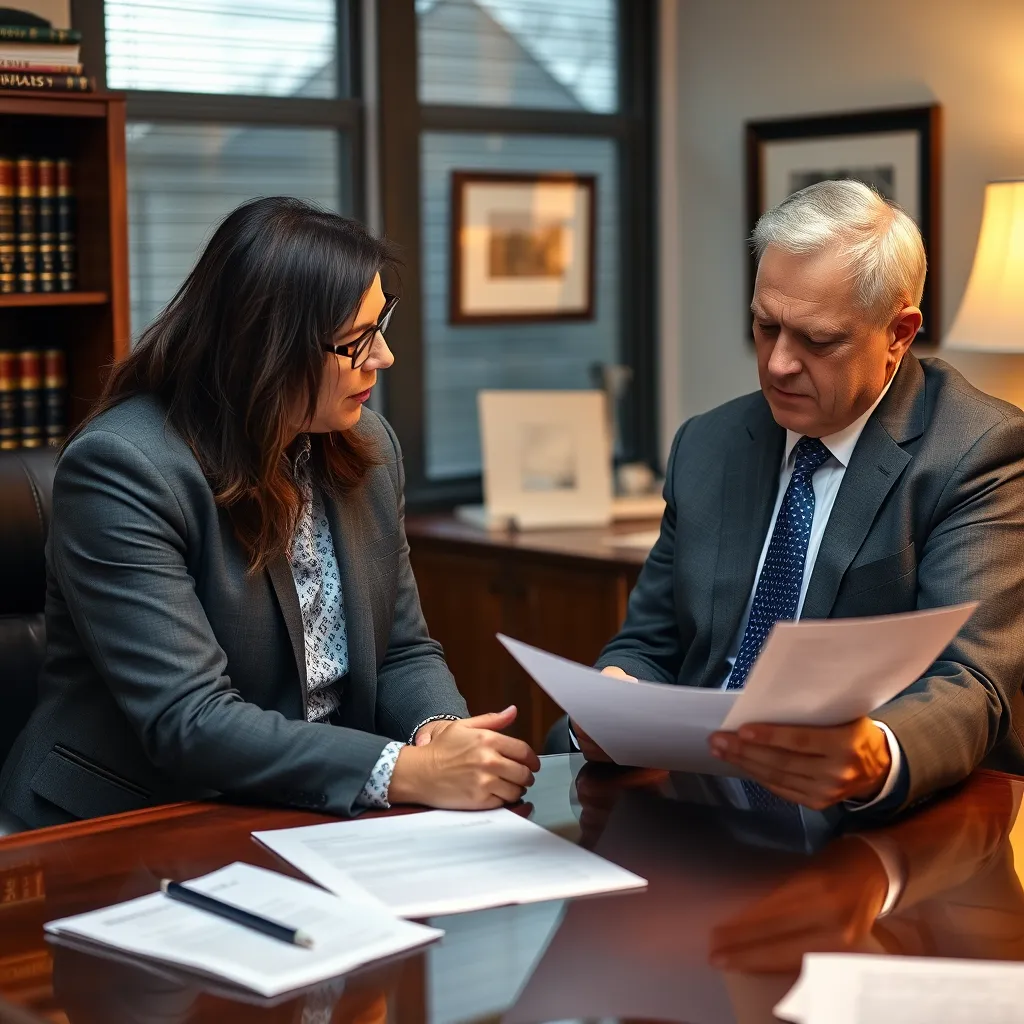
Felony Conviction Divorce Lawyer Manassas Park, VA
Virginia law permits a no-fault divorce after a period of separation, but certain fault grounds allow the marriage to end sooner. One of those grounds is felony conviction — when one spouse is sentenced to confinement of more than one year following a felony conviction, the other spouse may file for divorce immediately. No mandatory separation period applies. The ground is set out in Va. Code § 20-91 and is handled at the Manassas Park Circuit Court, located at 9311 Lee Avenue, Suite 230, Manassas. Mr. Sris and his Of Counsel represent individuals in fault-based divorce matters throughout Northern Virginia, including clients seeking to terminate a marriage after a spouse’s felony conviction. For a consultation about your situation, reach Law Offices Of SRIS, P.C. at (888) 437‑7747. Law Offices Of SRIS, P.C. — Advocacy Without Borders.
Using a Felony Conviction as the Basis for Divorce
Under Virginia law, a divorce complaint may allege that the defendant spouse has been convicted of a felony and sentenced to confinement for more than one year, and that the parties have not cohabited after the knowledge of the conviction. This is a fault-based ground for divorce and does not require the plaintiff to wait through a six-month or one-year separation period. The claim is adjudicated in the Circuit Court, which has exclusive original jurisdiction over divorce under Va. Code § 20‑96. Manassas Park family law matters are heard at the Circuit Court at 9311 Lee Avenue, Suite 230, Manassas.
Mr. Sris and his Of Counsel work with clients to assemble the necessary proof of the conviction, sentencing order, and the absence of post-conviction cohabitation. Because an incarcerated spouse may be difficult to serve, the procedural steps can involve substituted service or other court-approved methods. The firm’s role is to guide the case through the procedural requirements while protecting the client’s interests in property division, spousal support, and related matters.
Frequently Asked Questions
What is a felony conviction divorce in Virginia?
A felony conviction divorce is a fault-based divorce ground under Va. Code § 20‑91 (verified). It allows the innocent spouse to file for divorce when the other spouse has been convicted of a felony and sentenced to confinement for more than one year. No separation period is required, and cohabitation after the conviction cannot have occurred. The case proceeds in the Circuit Court that has jurisdiction over the parties.
Does the convicted spouse have to serve the whole sentence before I can file?
The filing spouse may proceed once the conviction and sentence of more than one year of confinement have been entered. The statute does not require the sentence to be fully served before filing. However, the ground is based on the sentence length, not the actual time served. An experienced attorney can help you determine whether the facts meet the statutory threshold.
Can I still choose a no-fault divorce instead of alleging a felony conviction?
Yes. You may still pursue a no-fault divorce if you meet the separation requirements. Va. Code § 20‑91 provides multiple grounds, and you are not required to use the fault ground. Many individuals prefer a no-fault divorce when it is available because it can avoid contested allegations. However, the felony conviction ground can materially speed up the process when separation is not possible or desirable.
How could a felony conviction affect property division in the divorce?
Virginia is an equitable distribution state. While a spouse’s criminal conduct does not directly factor into property division under the statutory factors listed in Va. Code § 20‑107.3, the circumstances surrounding the conviction — such as dissipation of marital assets or the impact on the family’s finances — may be relevant. The court considers all evidence relating to the economic circumstances of the parties when making an equitable distribution.
Does a felony conviction affect child custody decisions?
A felony conviction alone does not automatically disqualify a parent from custody, but the court considers all factors relevant to the best interests of the child under Va. Code § 20‑124.3 (verified). A parent’s incarceration and the nature of the offense are weighed as part of the overall custody evaluation. The J&DR District Court or the Circuit Court within the divorce proceeding will evaluate how the conviction impacts the child’s safety and wellbeing. India is not a signatory to the 1980 Hague Convention on Civil Aspects of International Child Abduction.
What if the felony conviction occurred in another state?
A conviction in another jurisdiction can still support the fault ground under Va. Code § 20‑91 if the sentence was confinement of more than one year. You will need documentation of the conviction and sentence. The firm can advise on the evidentiary steps needed to present an out-of-state conviction to the Manassas Park Circuit Court.
How long does a fault-based divorce on felony conviction take?
The timeline depends on the court’s calendar, whether the defendant contests the divorce, and the complexity of any property or support issues. Because no separation period is required, the case can sometimes proceed more quickly than a no-fault divorce. However, each matter is unique. Mr. Sris and his Of Counsel work to advance cases efficiently while safeguarding the client’s legal position.
Do I have to prove the conviction in court?
Yes. The plaintiff must present evidence of the conviction and sentence, typically through certified court records. The law also requires testimony or an affidavit that the parties have not cohabited after the conviction. Virginia law further demands at least one corroborating witness for an uncontested divorce hearing.
Can the convicted spouse oppose the divorce?
The convicted spouse may file an answer and contest the grounds or any related relief such as property division or spousal support. Even when the fault ground is established, the financial and custody aspects of the case may remain contested. The firm’s attorneys are prepared to handle both the fault ground and any trial on ancillary matters.
What should I bring to an initial consultation?
Bring any court records related to the conviction, the sentencing order, your marriage certificate, and information about children, assets, debts, and any prenuptial or separation agreements. The more documentation you provide, the better the attorney can assess your case. For guidance on your specific situation, reach Law Offices Of SRIS, P.C. at (888) 437‑7747.
About Mr. Sris and His Of Counsel Team
Mr. Sris, Owner and Founder of Law Offices Of SRIS, P.C., has practiced law since 1997 and is admitted in Virginia, Maryland, the District of Columbia, New Jersey, and New York. He is a former prosecutor and testified before the Virginia House Courts of Justice Committee in support of 2019 HB 635 (chief patron Del. David Bulova), which addressed equitable distribution in Virginia. His Of Counsel team includes attorneys with substantial experience in family law matters, enabling the firm to handle divorce cases involving fault grounds, complex property, and custody issues. The firm serves clients from its Fairfax location at 4008 Williamsburg Court, Fairfax, VA 22032. Mr. Sris and his Of Counsel bring over 120 years of combined legal experience and have achieved 4,739+ documented firm-wide results. Results may vary.
Related pages: Manassas Family Law Attorney · Prince William County Family Law · Fairfax County Family Law · Manassas Park Divorce Attorney
Primary sources: Virginia Code Title 20 – Domestic Relations · Virginia Circuit Courts · SCC — Business Entity Filings
Attorney advertising. Prior results do not guarantee a similar outcome. Case results depend on a variety of factors unique to each case. Results may vary.