
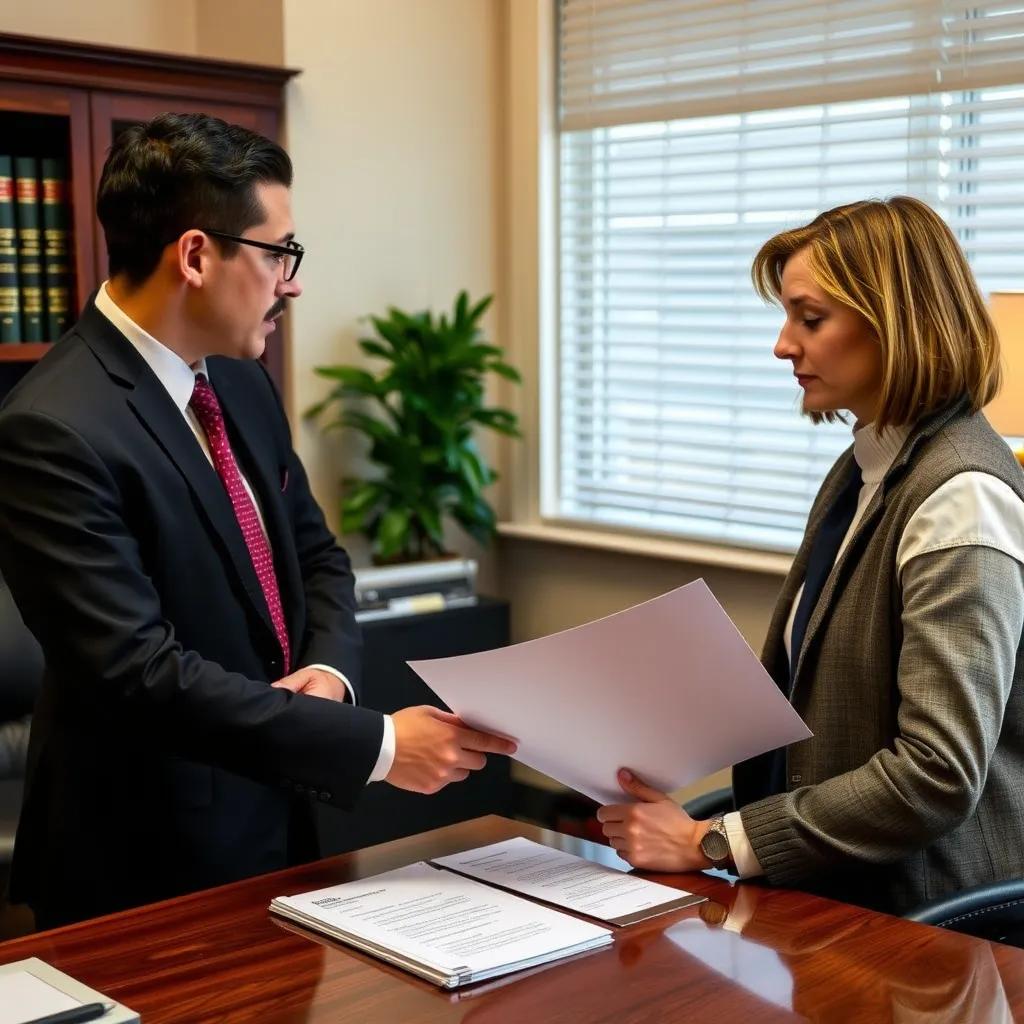
Legal Custody Lawyer Falls Church, VA
Legal custody—the right to make major decisions about a child’s upbringing—is one of the most consequential issues a parent can face. If you are navigating a custody dispute in Falls Church, Virginia, you need counsel who understands how the local courts weigh parenting responsibilities. Law Offices Of SRIS, P.C. represents parents, guardians, and third parties in legal custody matters before the Falls Church Juvenile and Domestic Relations District Court and, when custody is part of a divorce, the Falls Church Circuit Court at 300 Park Avenue. Mr. Sris, Owner and Founder, has handled family-law cases since 1997, and his five‑jurisdiction practice gives him insight into how Virginia’s best‑interest factors apply. The firm’s documented presence in Falls Church includes 24 total case results across practice areas—all favorable. Reach our location at (888) 437‑7747 to schedule a consultation. Law Offices Of SRIS, P.C. — Advocacy Without Borders.
What Legal Custody Means in Falls Church, Virginia
Legal custody is the authority to participate in decisions affecting a child’s health, education, religious upbringing, and general welfare. Under Virginia law, a parent with legal custody does not simply care for the child day‑to‑day; that is physical custody. Instead, legal custody controls whether a parent can consent to medical procedures, choose a school, or influence the child’s moral development. Falls Church courts decide legal custody using the “best interests of the child” standard set out in Va. Code § 20‑124.3 (Verified Citation), which lists ten factors—including each parent’s relationship with the child, any history of abuse, and the willingness of each parent to support the child’s contact with the other parent.
In Falls Church, the Juvenile and Domestic Relations (J&DR) District Court handles standalone custody petitions—when no divorce has been filed or when the parents are not married. If a divorce is proceeding, the Falls Church Circuit Court has exclusive jurisdiction over the custody determination as part of the equitable‑distribution process. Both courts apply the same statutory best‑interest factors, but the procedural context differs. Mr. Sris and his Of Counsel have appeared in both courts, and they understand how local judges analyze contested legal‑custody claims. A custody order is always modifiable if there has been a material change in circumstances, so a strategic approach from the start can shape long‑term parental authority.
How Mr. Sris and His Of Counsel Handle Legal Custody Cases
Every legal‑custody matter begins with a thorough review of the family’s circumstances: the child’s age, each parent’s role in decision‑making, any existing court orders, and the presence or absence of domestic‑violence protective orders. Mr. Sris and his Of Counsel then outline realistic options, whether that involves negotiating a joint legal‑custody arrangement with the other parent or preparing for a contested hearing. In Falls Church, the J&DR court encourages parents to reach mediated agreements, but when agreement is not possible, the team is prepared to present evidence and examine witnesses before the judge.
The firm’s approach focuses on documenting each parent’s history of cooperative decision‑making, communication, and ability to support the child’s relationship with the other parent—factors that carry significant weight under Va. Code § 20‑124.3 (Verified Citation). When necessary, the firm consults with forensic psychologists, mediators, and guardian ad litem appointees to build a record that the court can rely on. Throughout the process, Mr. Sris and his Of Counsel keep the client informed of procedural steps and court‑calendar expectations. The goal is to protect the parent’s role in the child’s life while maintaining compliance with Virginia procedural rules.
About Mr. Sris and His Of Counsel Team
Mr. Sris, Owner and Founder, founded Law Offices Of SRIS, P.C. in 1997. A former prosecutor, he is admitted in Virginia, Maryland, the District of Columbia, New Jersey, and New York. His experience in the Falls Church courts extends across divorce, custody, support, and equitable‑distribution matters. He has documented 24 case results in Falls Church across practice areas, all achieving a favorable outcome. Results may vary.
Mr. Sris is supported by a team of Of Counsel attorneys who bring backgrounds in prosecution, law enforcement, and child‑welfare litigation. The collective experience of Mr. Sris and his Of Counsel exceeds 120 years of combined legal work, supported by 4,739+ documented firm-wide results. Results may vary. Their familiarity with Falls Church court procedures and Virginia’s evolving family‑law statutes allows them to guide clients through settlement discussions and, when required, courtroom advocacy.
Frequently Asked Questions
What is legal custody?
Legal custody is the right to make significant decisions about a child’s life—education, medical care, religion, and overall welfare. It is distinct from physical custody, which concerns where the child lives. Virginia courts may award sole legal custody to one parent or joint legal custody to both, always guided by the child’s best interests under Va. Code § 20‑124.3 (Verified Citation). Even when parents share physical custody, one parent may hold sole legal custody if the court finds that arrangement is better for the child.
How is legal custody decided in Falls Church, Virginia?
In Falls Church, a legal‑custody determination starts with a petition in the Juvenile and Domestic Relations District Court (standalone cases) or as part of a divorce in the Falls Church Circuit Court. The judge applies the ten best‑interest factors set out in Va. Code § 20‑124.3 (Verified Citation), evaluating parental cooperation, the child’s needs, and any history of abuse. The court may also appoint a guardian ad litem to investigate and make a recommendation. For guidance on your specific situation, reach Law Offices Of SRIS, P.C. at (888) 437‑7747.
Can legal custody be modified after a court order?
Yes. Either parent may request a modification if there has been a material change in circumstances since the last order. A move, a change in the child’s needs, or a parent’s inability to cooperate are common examples. The same best‑interest analysis applies, and the court will revisit the factors under Va. Code § 20‑124.3 (Verified Citation). Modification petitions in Falls Church are filed in the same court that issued the original order. Prompt legal guidance is important because a parent’s actions after the change can affect the outcome.
What is the difference between legal custody and physical custody?
Legal custody involves making major decisions for the child; physical custody concerns where the child resides. Parents can share joint legal custody while one parent has primary physical custody, or the arrangements can mirror each other. Virginia courts separate the two concepts, so a custody order must specify both. In Falls Church, the J&DR court or Circuit Court will address each form of custody independently, guided by Va. Code § 20‑124.2 and the child’s best interests.
Do I need a lawyer for a legal custody case in Falls Church?
While you are not legally required to have an attorney, representing yourself in a contested legal‑custody matter puts you at a disadvantage. Custody proceedings involve statutory factors, evidentiary rules, and court‑appointed professionals like guardians ad litem. Mr. Sris and his Of Counsel have documented favorable results in Falls Church and can present your parenting role effectively. To discuss the details of your matter, contact Law Offices Of SRIS, P.C. at (888) 437‑7747.
How does the Falls Church J&DR Court handle custody disputes?
The Falls Church Juvenile and Domestic Relations District Court schedules an initial hearing soon after a petition is filed. The judge may encourage mediation and, if no agreement is reached, set a contested hearing. The court often appoints a guardian ad litem to investigate and report on the child’s circumstances. Parents should bring all relevant records—school reports, medical information, communication logs—to the hearing. The court’s focus is on the child’s safety and stability, and orders are enforceable throughout Virginia.
Related Family Law Services: Fairfax County Family Law · Fairfax City Family Law · Prince William County Family Law · Manassas City Family Law · Manassas Park Family Law
Primary Legal Resources: Virginia Code Title 20 (Domestic Relations) · Falls Church General District Court · Virginia Courts
Attorney advertising. Prior results do not guarantee a similar outcome. Results may vary.
Case results depend on a variety of factors unique to each case.