
Postnup Lawyer Fairfax County, VA
You and your spouse have built a life together in Fairfax County. You own a home in McLean, a retirement account in Vienna, and a business in Chantilly. You want to put your financial understanding in writing—not because you anticipate divorce, but because clarity strengthens your partnership. At Law Offices Of SRIS, P.C., Mr. Sris and his Of Counsel team guide spouses through the drafting, review, and negotiation of postnuptial agreements that align with Virginia law and reflect the realities of your marriage. Whether you need to protect separate property, define spousal support obligations, or document how assets will be divided if the marriage ever ends, a carefully crafted postnup can provide peace of mind. Reach our Fairfax location at (888) 437-7747 to request a consultation.
How a Postnuptial Agreement Works Under Virginia Law
Virginia recognizes postnuptial agreements under the Premarital Agreement Act, Va. Code § 20‑147 et seq. Although the statute’s title references premarital agreements, the same principles apply to contracts entered into during marriage. A postnup can settle property rights, spousal support arrangements, and other financial matters. It cannot limit child support obligations or dictate custody arrangements, as those are always determined by the court based on the best interests of the child.
The Fairfax County Circuit Court, located at 4110 Chain Bridge Road, Fairfax, VA, has jurisdiction over enforcement proceedings should a dispute arise. For the agreement to be enforceable, it must be in writing, signed by both parties, and entered into voluntarily after full and fair disclosure of assets and liabilities. The firm’s location on Williamsburg Court places Mr. Sris and his Of Counsel within a short distance of the courthouse, allowing them to assist clients throughout the county—from Reston to Springfield, Annandale to Oakton.
Drafting, Reviewing, and Negotiating a Postnup
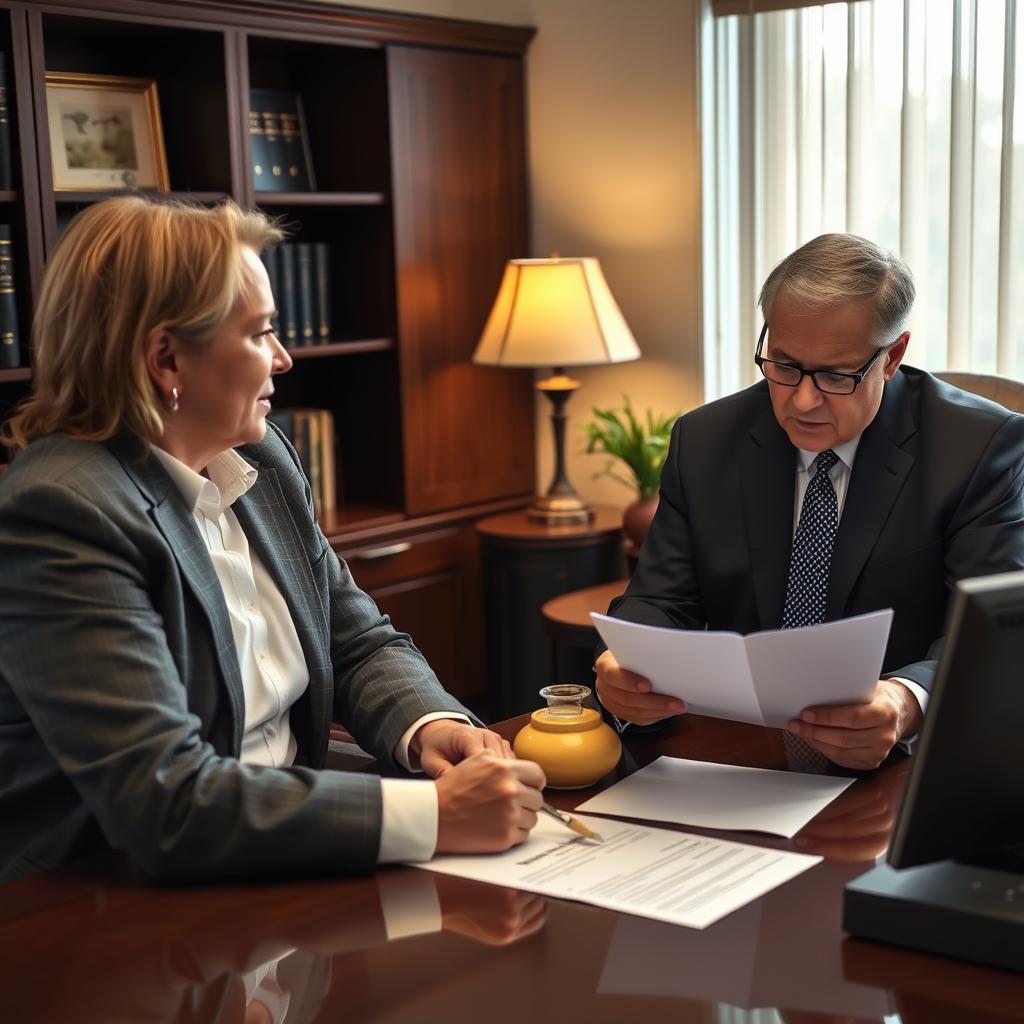
The process typically begins with a private discussion between the spouses and their respective attorneys. Mr. Sris and his Of Counsel work with one party to identify the goals of the agreement—asset protection, clarity around a family business, or a framework for spousal support—and then draft terms that are fair and legally sound. The other spouse should have independent legal representation to review the draft and negotiate any modifications. While Virginia law does not require two lawyers, a postnup signed without the advice of independent counsel is more vulnerable to challenge later.
Once the terms are agreed upon, the agreement is signed and notarized. Parties may also exchange financial disclosure statements to demonstrate that the agreement was made with full knowledge of each other’s circumstances. The timeline for completing a postnup varies; straightforward agreements can be finalized in a matter of weeks, while ones involving substantial assets or closely held businesses may take longer. Throughout the process, the firm’s focus is on crafting clear language that reduces ambiguity and the potential for future conflict.
Potential Challenges and Enforcement
A postnuptial agreement may be invalidated if a court finds that it was signed under duress, that a spouse failed to disclose significant assets, or that the terms are so one‑sided as to be unconscionable. Virginia courts scrutinize postnups more closely than prenuptial agreements because the spouses are already married and have heightened fiduciary duties to one another. The party seeking to set aside the agreement carries the burden of proving a defect.
If an enforcement action is filed in Fairfax County Circuit Court, the judge will evaluate the voluntariness of each spouse’s signature and the fairness of the process—not whether the outcome appears equal in hindsight. An experienced attorney can anticipate the common grounds for challenge and structure the agreement to withstand judicial review. Because every marriage is unique, the firm tailors each postnup to the specific factual and financial landscape of the couple.
Attorney Team: Mr. Sris and His Of Counsel
Mr. Sris, Owner and Founder of Law Offices Of SRIS, P.C., has practiced family law since 1997. A former prosecutor, he brings a thorough understanding of courtroom dynamics and evidence rules to the civil realm of marital agreements. He is admitted in Virginia, Maryland, the District of Columbia, New Jersey, and New York, and maintains a focused caseload to ensure meaningful involvement in each matter.
Mr. Sris is supported by a team of Of Counsel attorneys engaged through Excella, each with substantial experience in Virginia family law. Together, Mr. Sris and his Of Counsel bring over 120 years of combined legal experience. The firm has documented 4,739+ documented firm-wide results, with a 97% favorable outcome rate. Results may vary.
Frequently Asked Questions
What is a postnuptial agreement?
A postnuptial agreement is a written contract signed by spouses during their marriage that defines how property, debts, and spousal support will be handled if the marriage ends. Unlike a prenuptial agreement, which is signed before the wedding, a postnup is executed after the couple is already married. In Virginia, these agreements are governed by the Premarital Agreement Act, Va. Code § 20‑147 et seq., and must be entered into voluntarily with full disclosure of assets. They cannot limit child support or custody rights, but they can provide clarity on financial matters.
Are postnuptial agreements enforceable in Fairfax County?
Yes, if they meet Virginia’s requirements. The agreement must be in writing, signed by both parties, and made without duress. Each spouse must provide a fair and reasonable disclosure of their financial circumstances. Fairfax County Circuit Court will enforce a postnup unless a party proves it was involuntary or unconscionable at the time of signing. Because courts scrutinize postnups more closely than prenups, working with an attorney who understands the local legal standards is important. For a consultation, reach Mr. Sris and his Of Counsel at (888) 437‑7747.
How does a postnuptial agreement differ from a prenuptial agreement?
The primary difference is timing: a prenup is signed before the marriage, while a postnup is signed afterward. Because married spouses owe fiduciary duties to one another, Virginia courts examine postnups for fairness more rigorously. Both types of agreements can address property division and spousal support, but neither can dictate child‑related matters. If you are already married and did not sign a prenup, a postnup can still accomplish many of the same goals. The drafting requirements under Va. Code § 20‑147 et seq. Are the same for both.
What can a postnup cover under Virginia law?
A postnuptial agreement can address the division of real estate, bank accounts, investment portfolios, business interests, retirement assets, and personal property. It can also waive or limit spousal support, set the terms of any future support, and define how debts will be allocated. The agreement cannot, however, restrict a parent’s rights regarding child custody or visitation, nor can it reduce child support below Virginia’s statutory guidelines. Any clause that attempts to control child‑related issues will be unenforceable. To discuss the details of your matter, contact our firm at (888) 437‑7747.
Do I need a lawyer to create a postnuptial agreement?
You are not legally required to hire a lawyer to draft a postnup, but it is strongly recommended. Virginia courts are more likely to uphold an agreement when each spouse had independent legal advice. An attorney can ensure full financial disclosure, draft precise language, and identify terms that could be challenged later. Without counsel, a spouse may later claim they did not understand the agreement or were pressured into signing, which can lead to the entire contract being set aside. For guidance on your specific situation, reach our location at (888) 437‑7747.
Can a postnuptial agreement be modified or revoked?
Yes. Spouses can modify or revoke a postnup at any time by signing a written amendment or a revocation document. The amendment must meet the same formalities as the original agreement—it must be in writing, signed by both parties, and made voluntarily with full disclosure. If the spouses later divorce and the original agreement has been properly revoked, the court will apply Virginia’s equitable distribution rules instead. Changing circumstances, such as the birth of a child or a substantial change in finances, are common reasons spouses revisit their postnup.
Additional locations serving Fairfax County families:
Prince William County family law attorney ·
Loudoun County family law lawyer ·
Arlington family law representation ·
Stafford County divorce and family counsel ·
Fauquier County family law practice
Virginia legal resources:
Virginia Code Title 20 (Domestic Relations) ·
Virginia Judicial System
Attorney advertising. Prior results do not guarantee a similar outcome. Case results depend on a variety of factors unique to each case. Results may vary.